6.7Mvehicles in Arizona
Getting things ready…
Getting things ready…

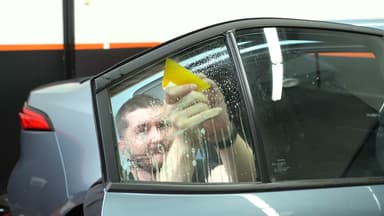
Learn at home from the team that built Global Tint. The course takes you from your first window to finding customers.
 Keyword Planner Google data
Searches every month, around each city
Each number covers the city and the towns around it. Source: Google Ads Keyword Planner, checked Sep 8, 2026. Google’s rounded estimates of searches, not customers or bookings.
6.7Mvehicles in Arizona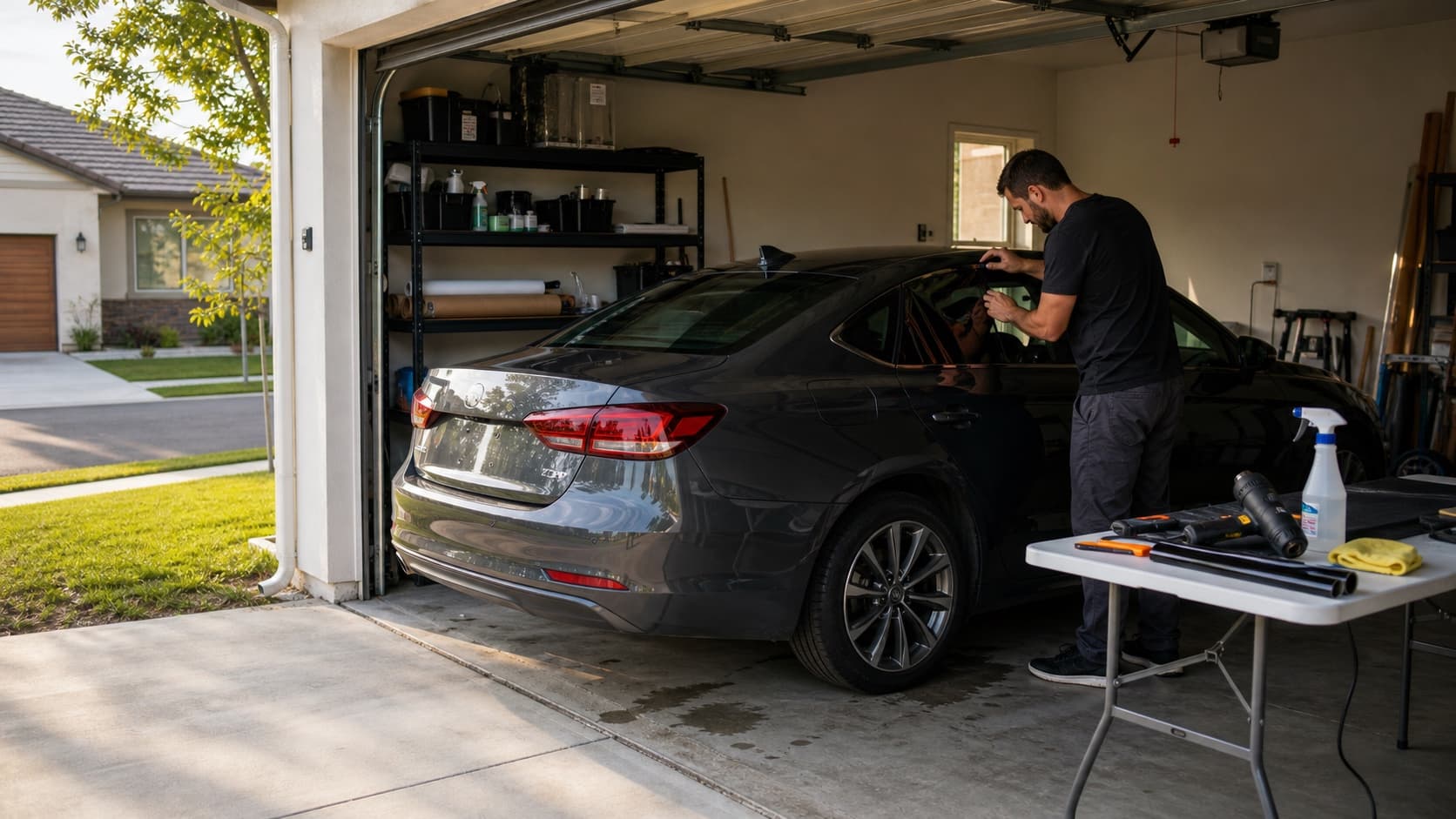 $0shop needed
A clean, bright garage is enough to start, or tint at your customers’ homes.
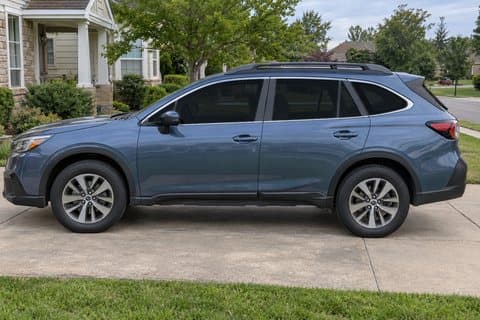
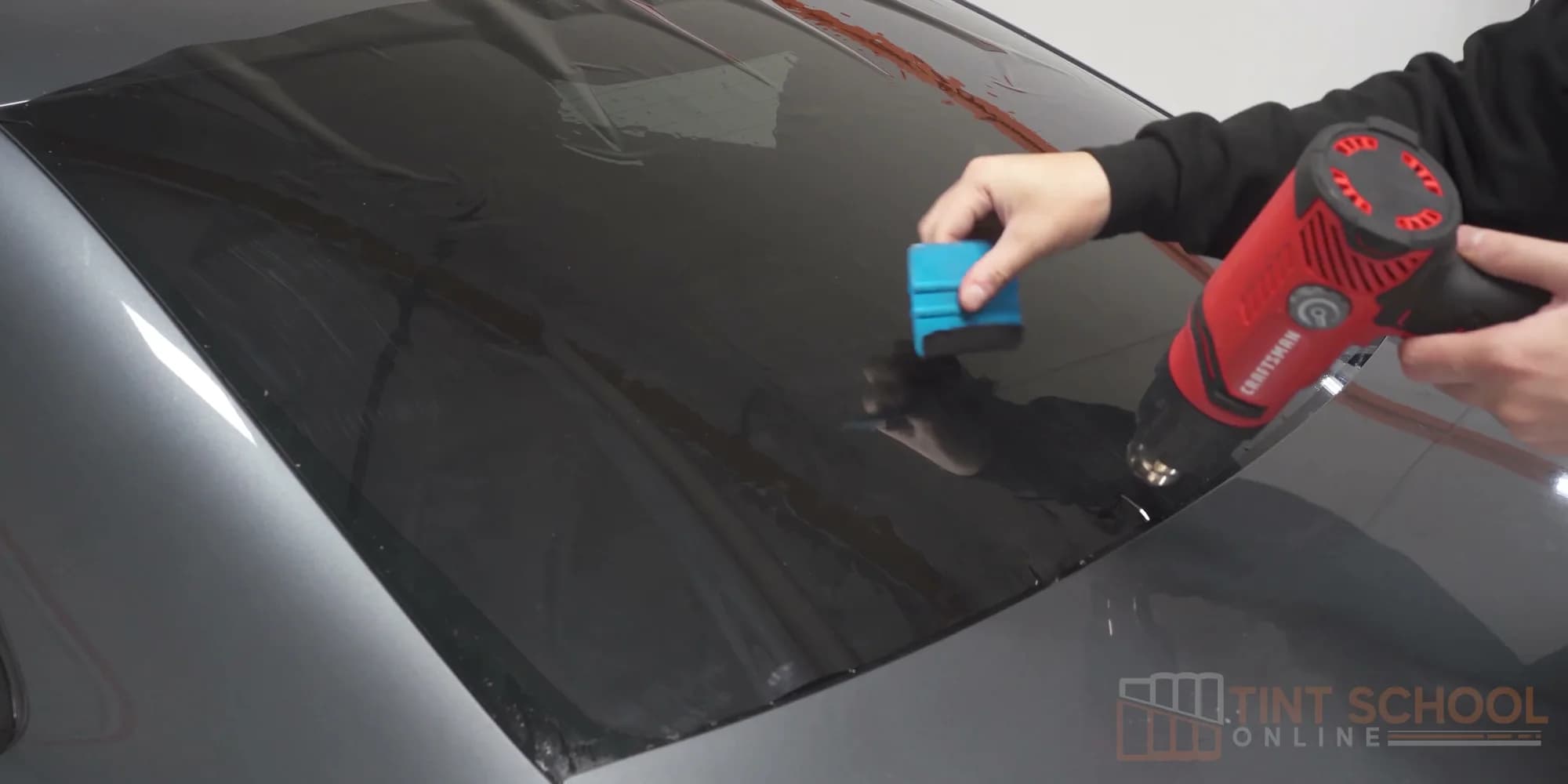
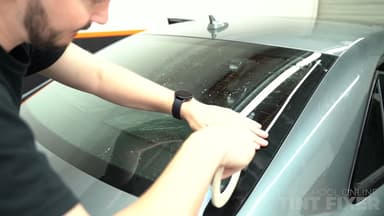
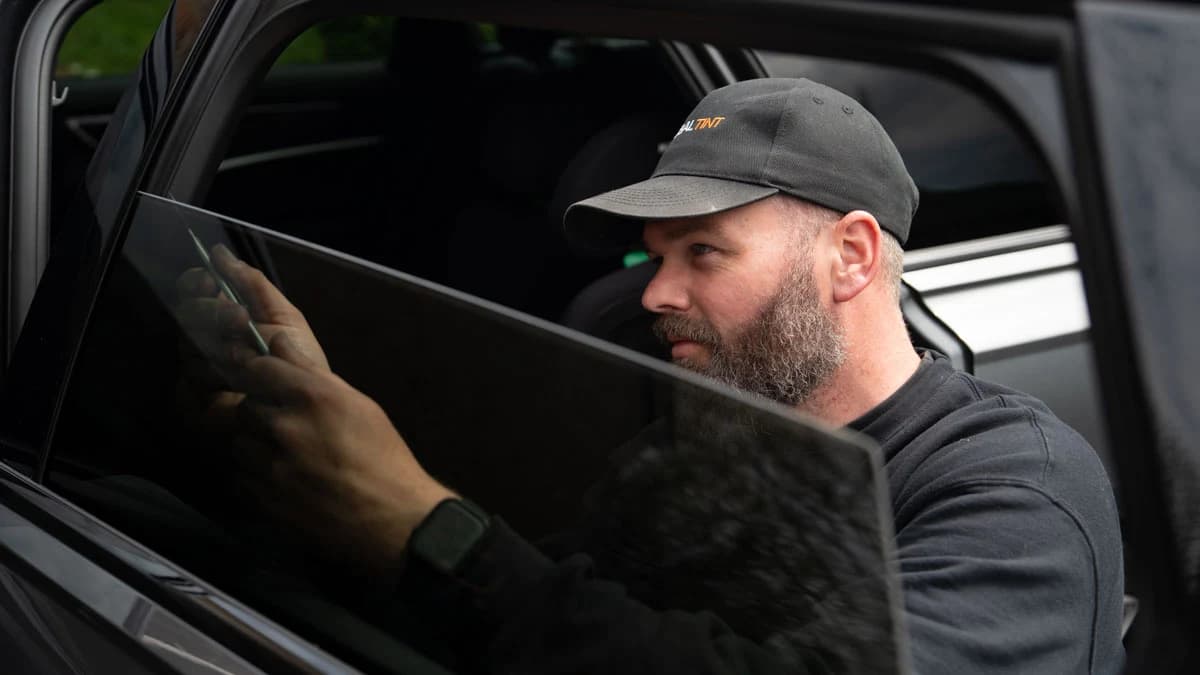
One Tuesday morning on a Subaru Outback: the side and back windows plus the windshield, all in ceramic film. Ceramic keeps more heat out, so customers pay more for it.
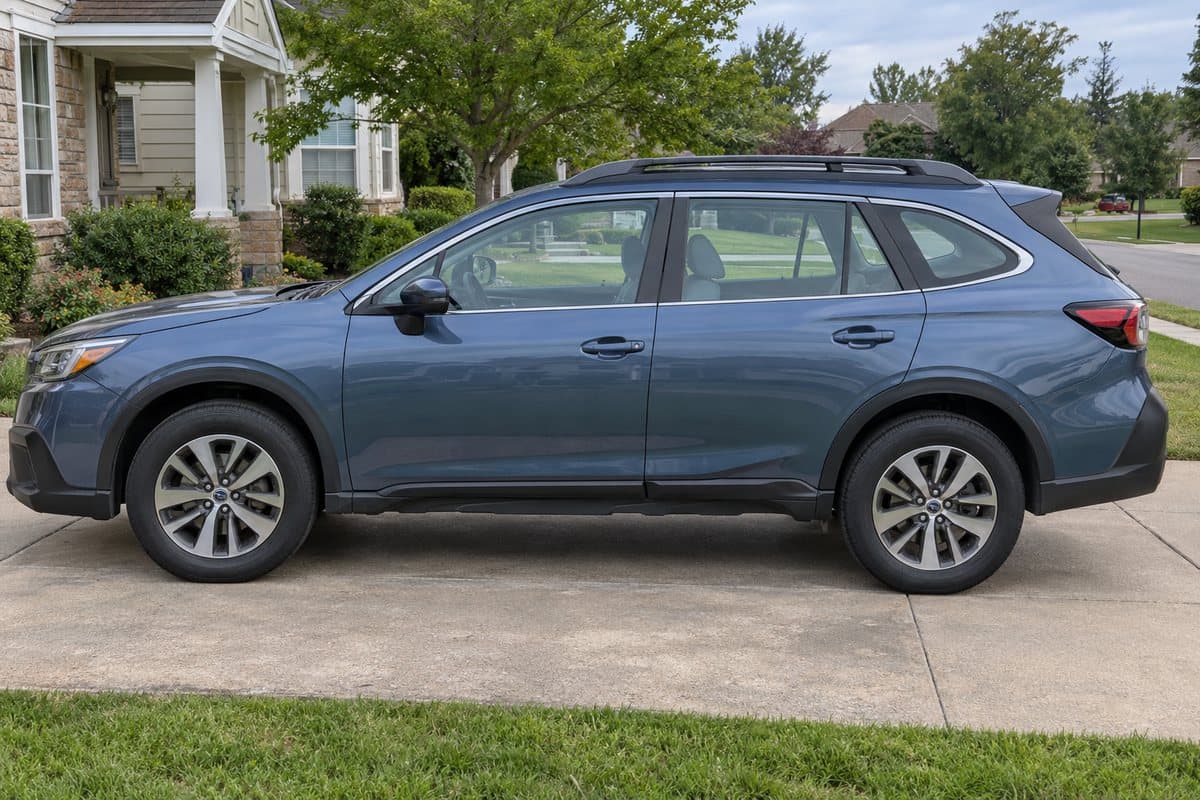
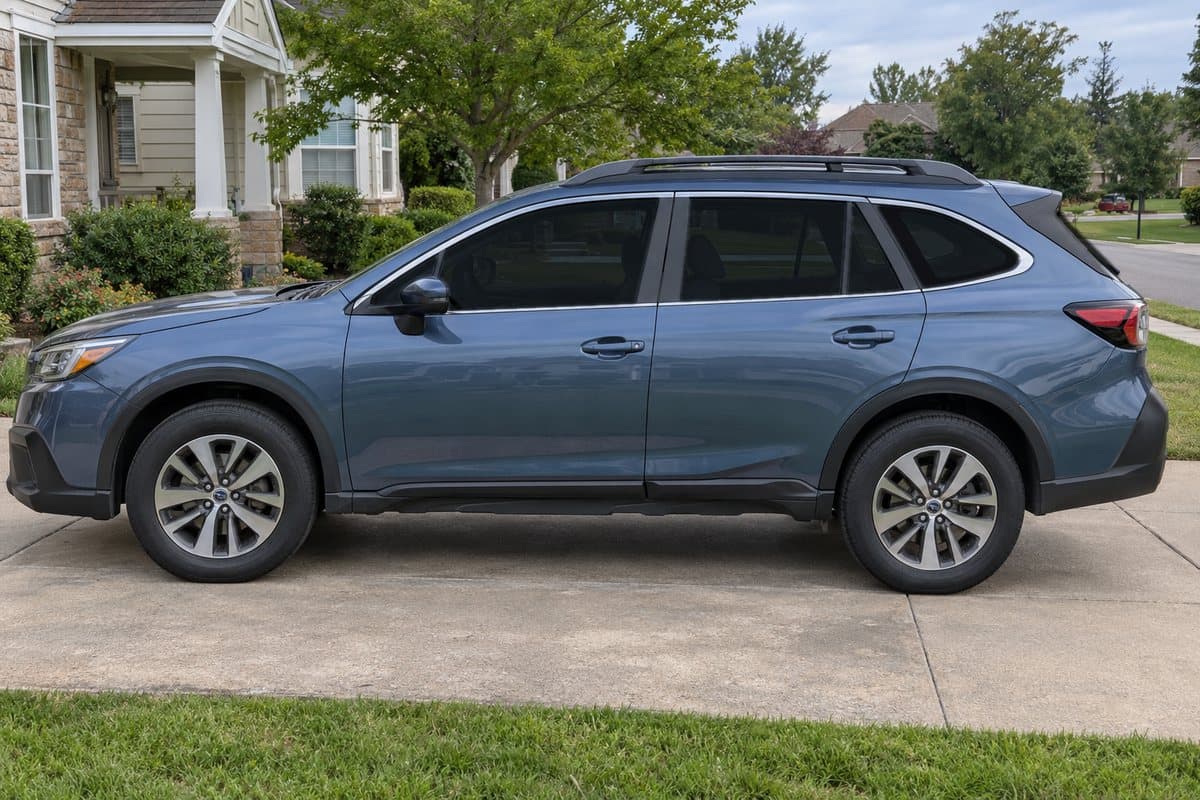


In just 3 hoursafter completing the course
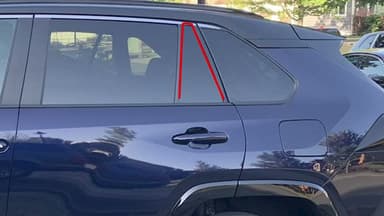
Windshield tint in Arizona: non-reflective above AS-1 line (a mark near the top of the windshield).
Tap how many days you want to work. The answer changes as you tap.
How many days a week do you want to work?
How many cars a day?
This example uses a $385 full tint (side and back windows) per car, with about $30 of film. Before other costs like travel, supplies and tax. An example, not a promise.
Tap a path to see a student who did it.
 Real student story San Diego, CA
Zero experienceReported $4,890 in one week
Chris runs Turning Lane Tint from his van, with no shop and no rent.
“I'm loving the mobile life. $4,890 in one week — barely working hard.”
All 3 start with the same lessons, so you don’t have to choose before you start.
Individual student reports, not typical or guaranteed earnings.
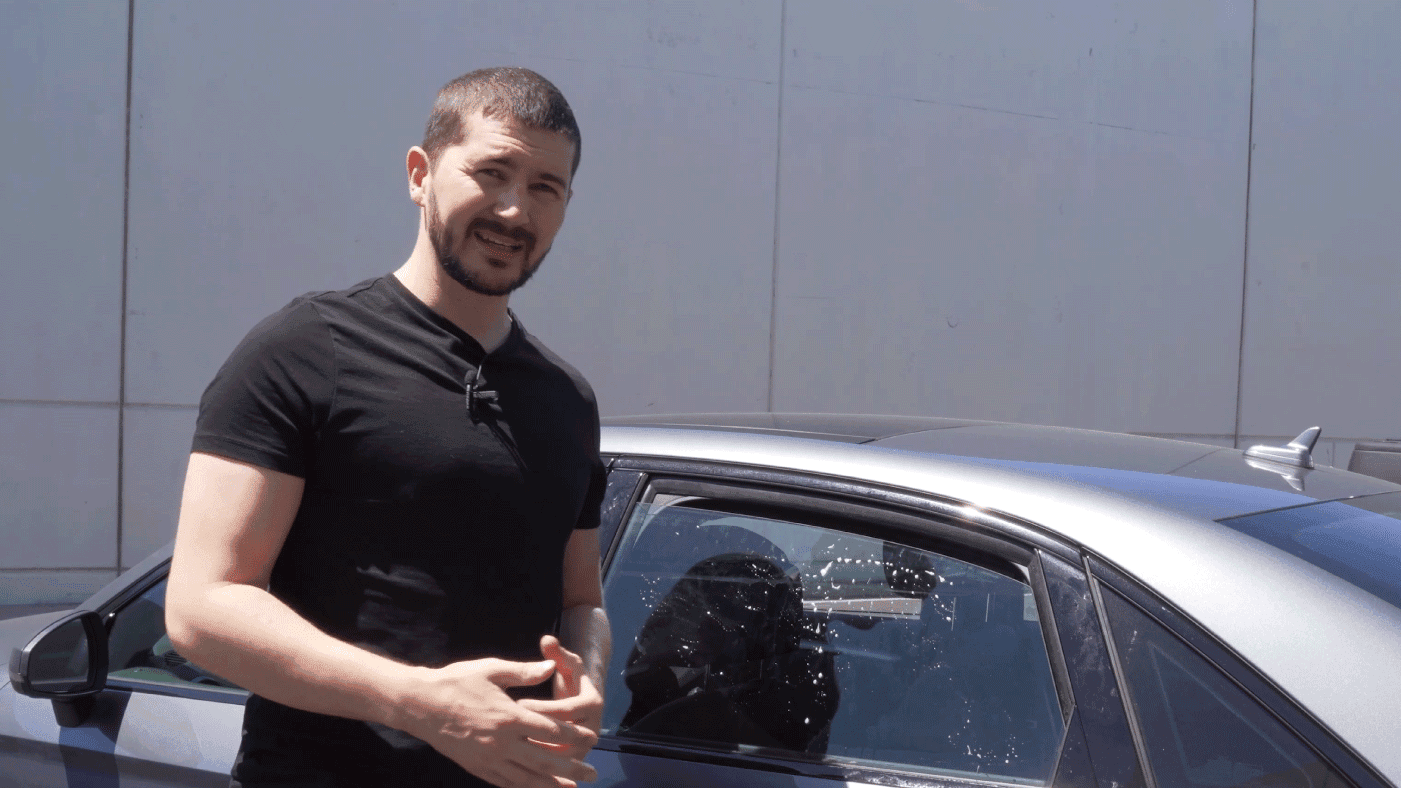
Elliot has spent 20 years in the tint industry and built Global Tint into a multimillion-dollar business. In the course, he shows you how he did it.
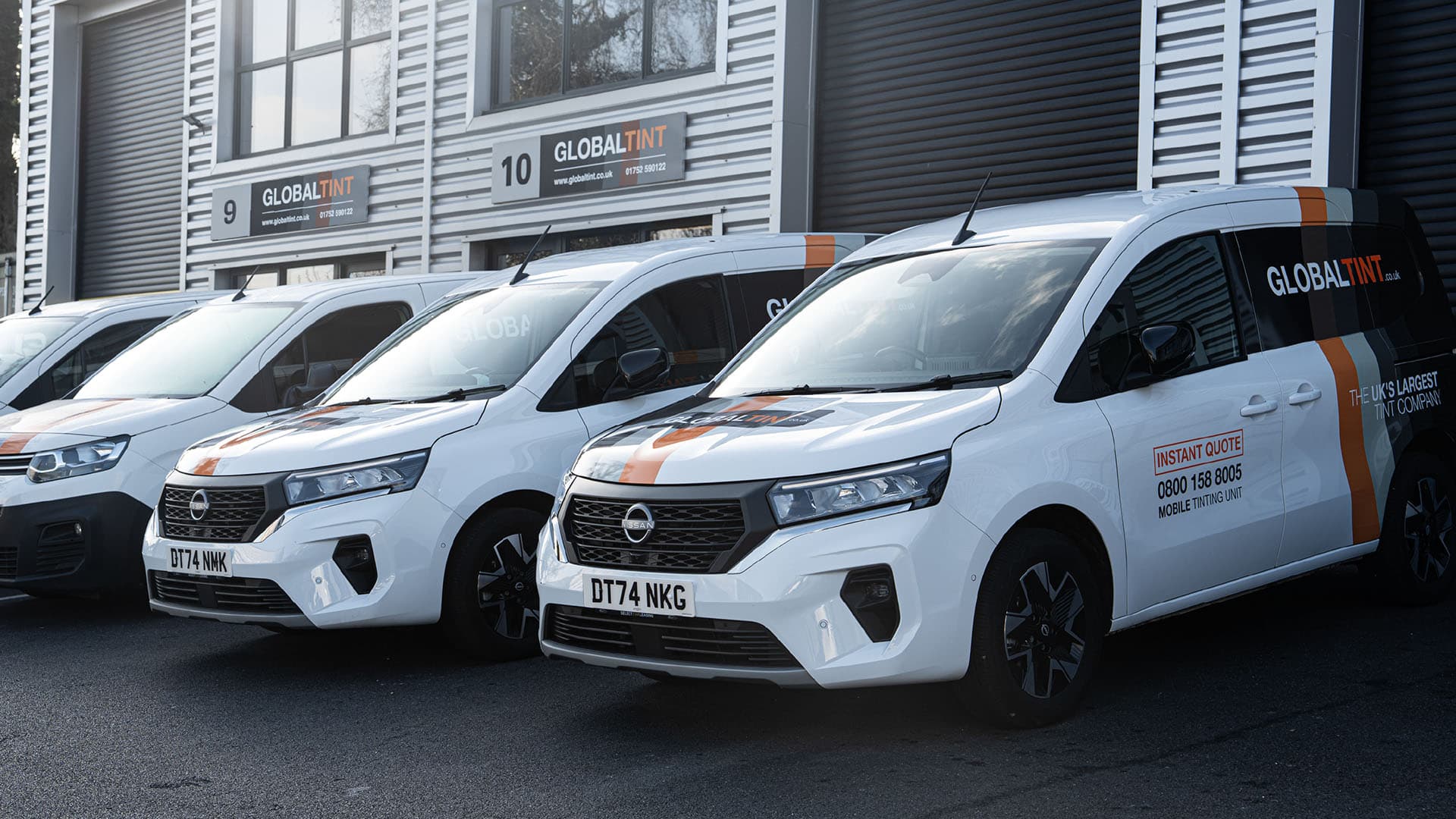
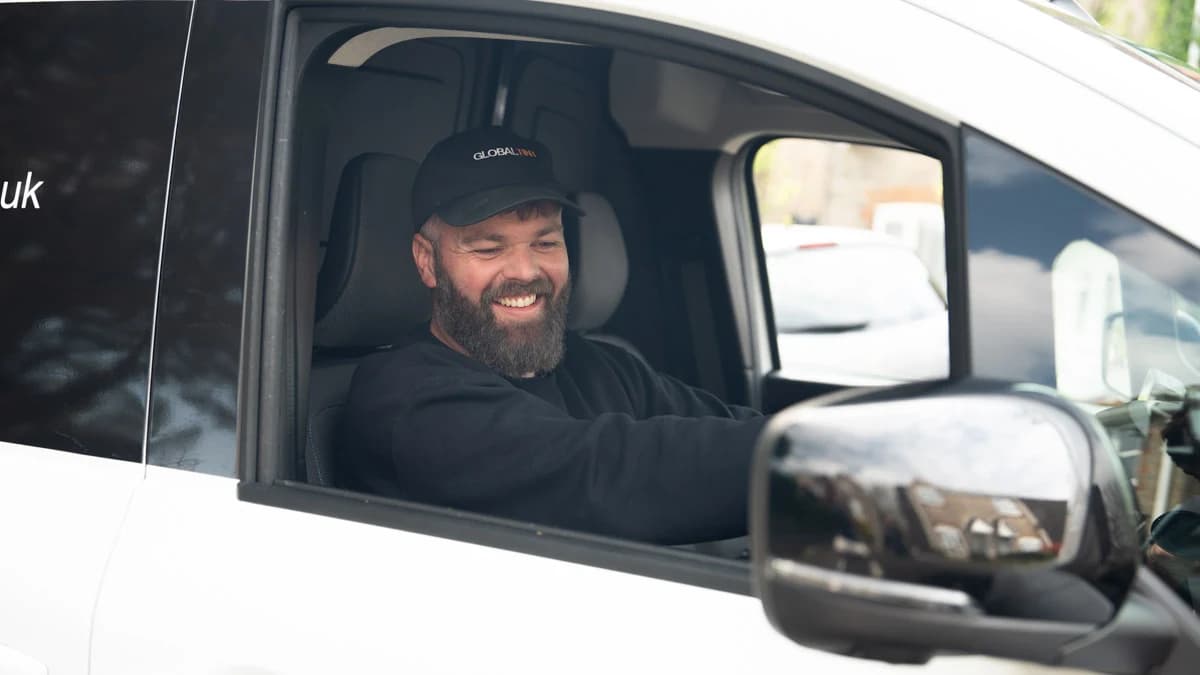
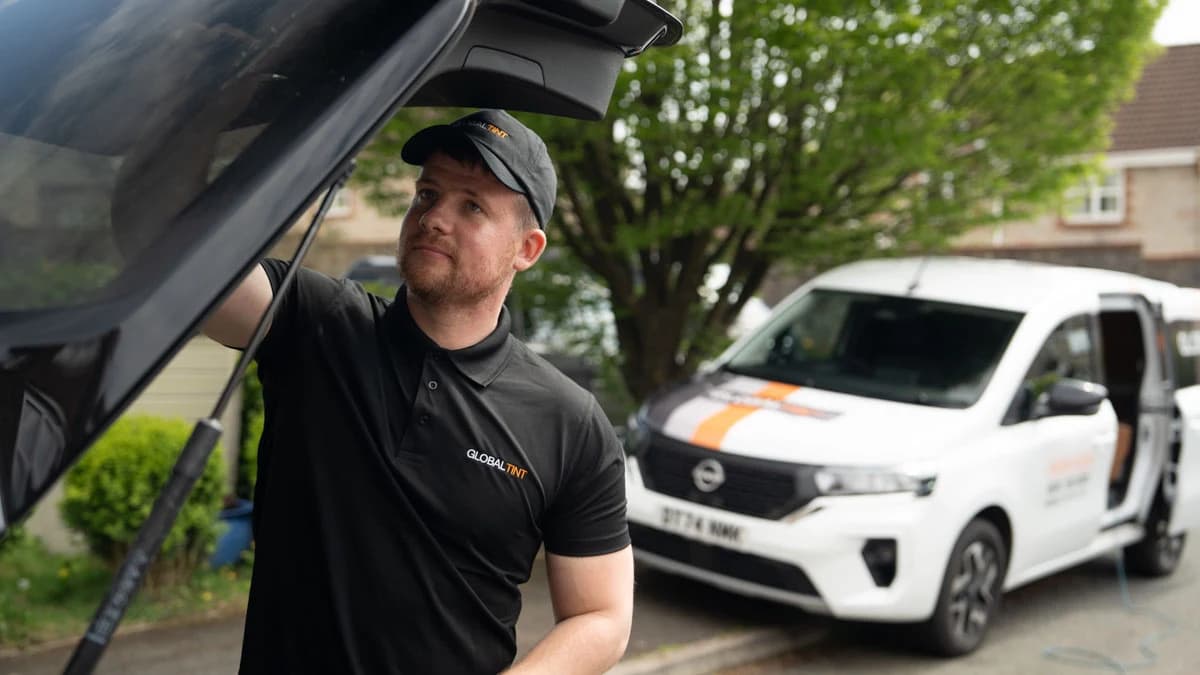
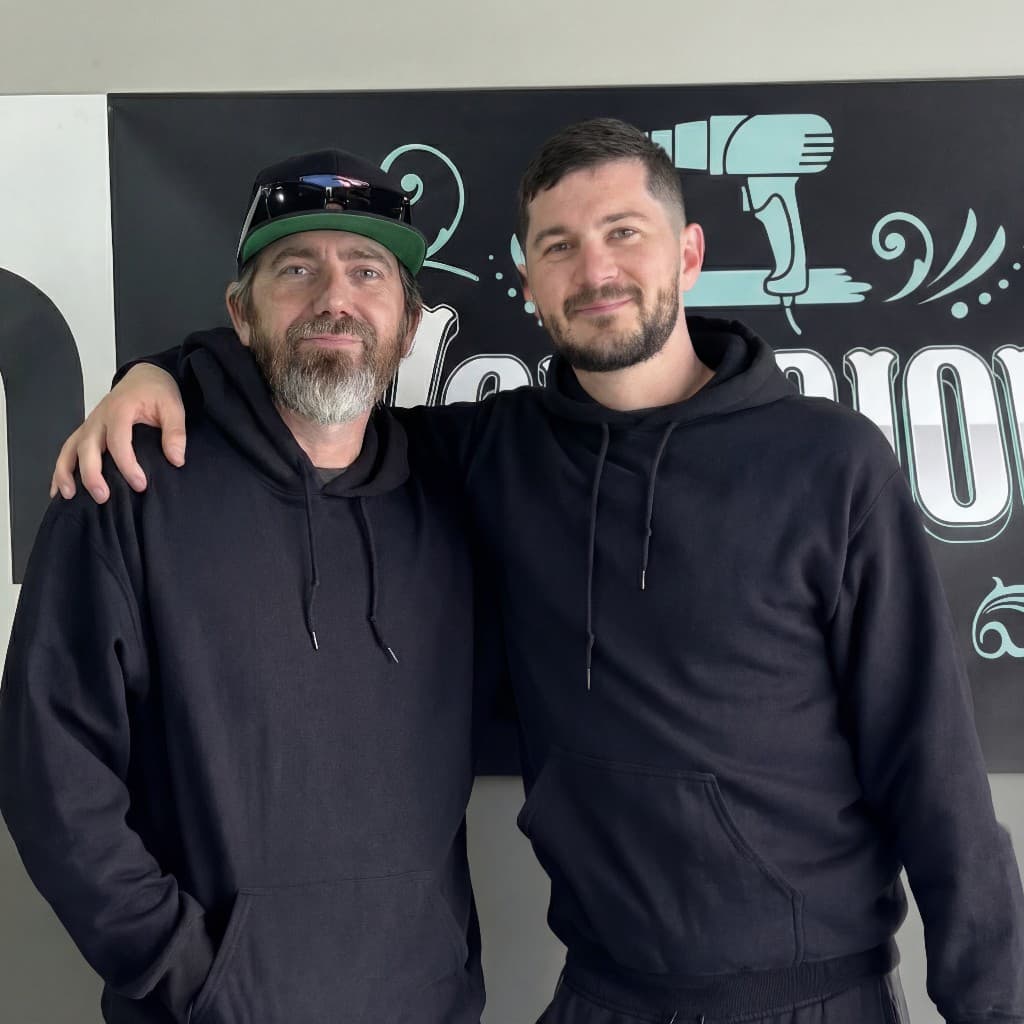
 With student Mike MorrisNotorious Tint · Mesa, AZ
 With student Jesus NoyolaOC Tintz · Orange County, CA
Learn to tint, set up your business, book your first customers, then keep growing. Each step comes with a real post from our student Jeremy Horner, from his first tools to his own shop.
Start with the beginner lessons and get to know your tools.
Practise on your own car until you can tint a whole car neatly.
List your business, answer questions and book your first jobs.
Learn when your business is ready for a shop of its own.
Use the advanced lessons to get faster and take on bigger jobs.

Everyone’s results are different.
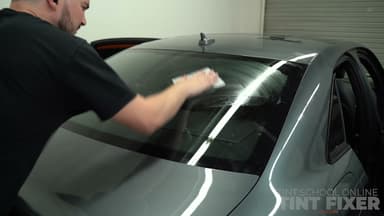
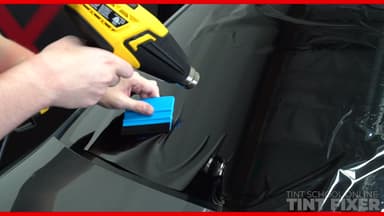
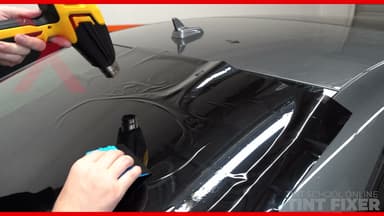
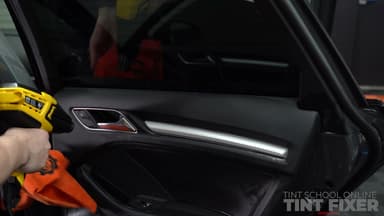
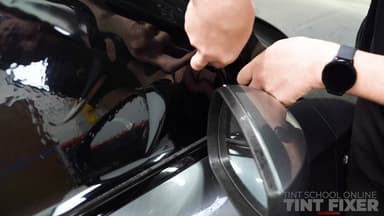
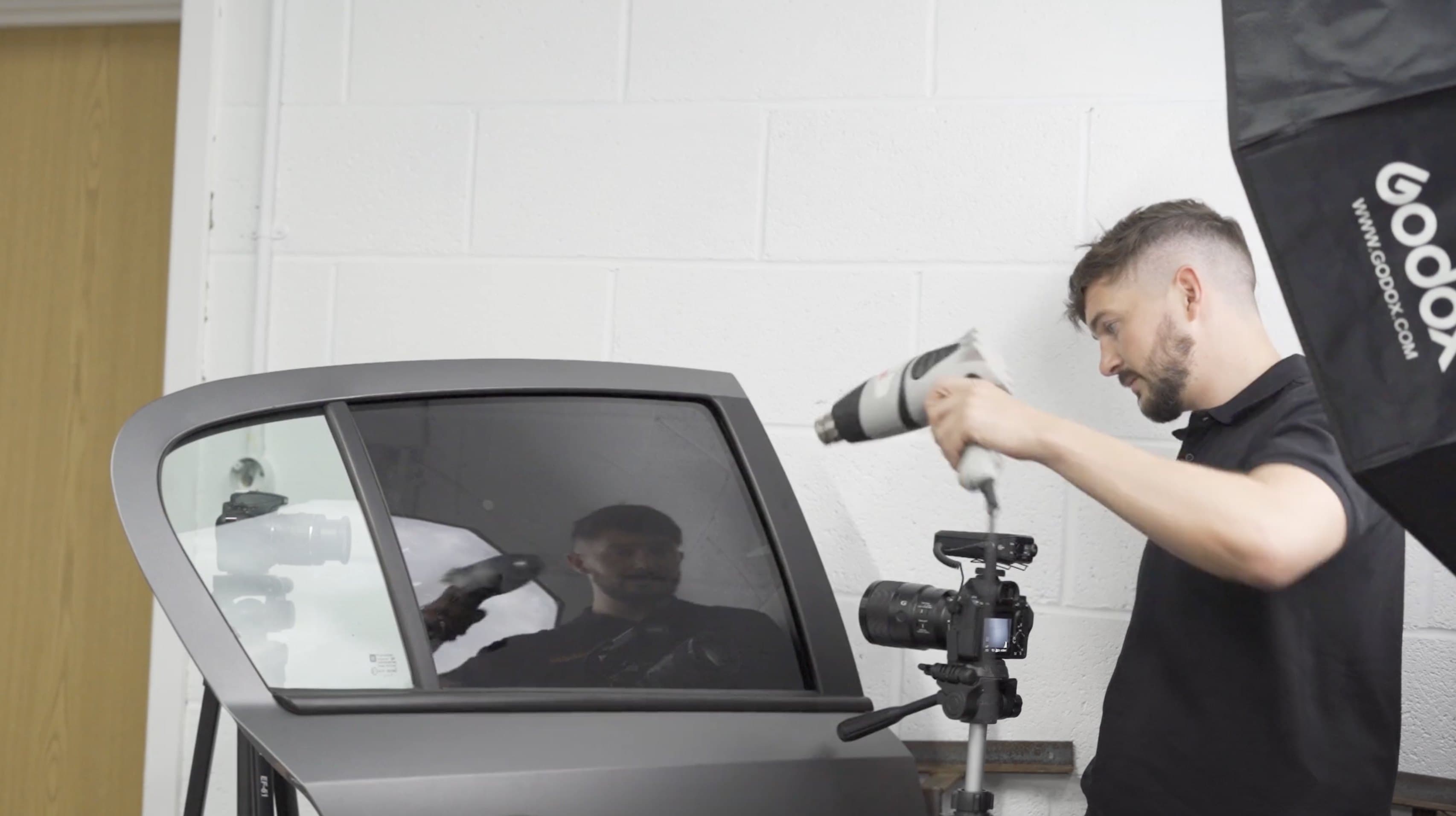
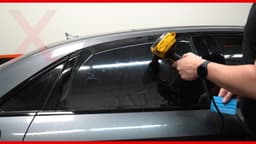
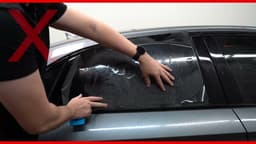
Five cameras film the lessons at once: wide, overhead, close-up, inside the car and on the instructor. Tap a camera to see its view.


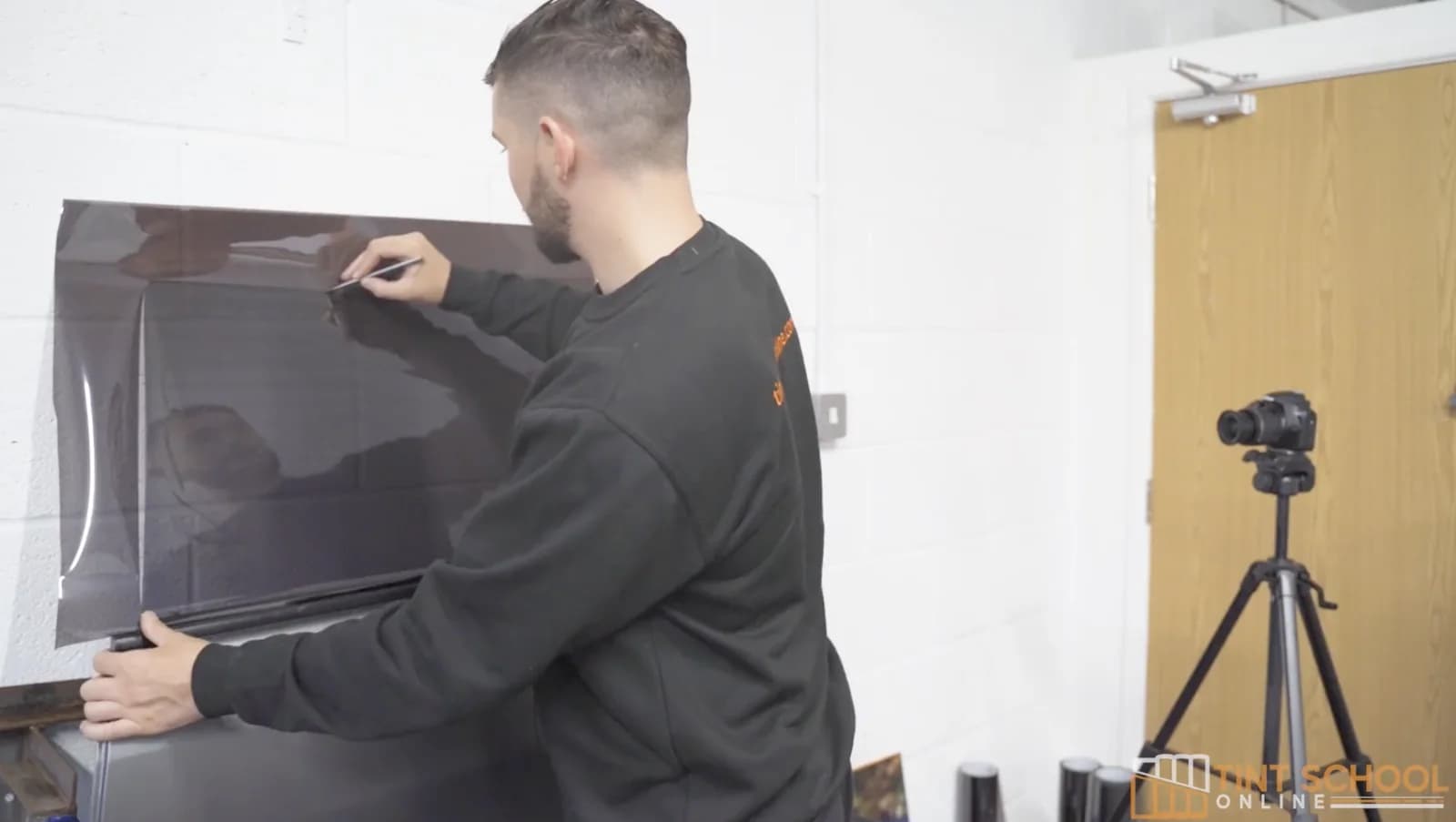 Camera 1 of 5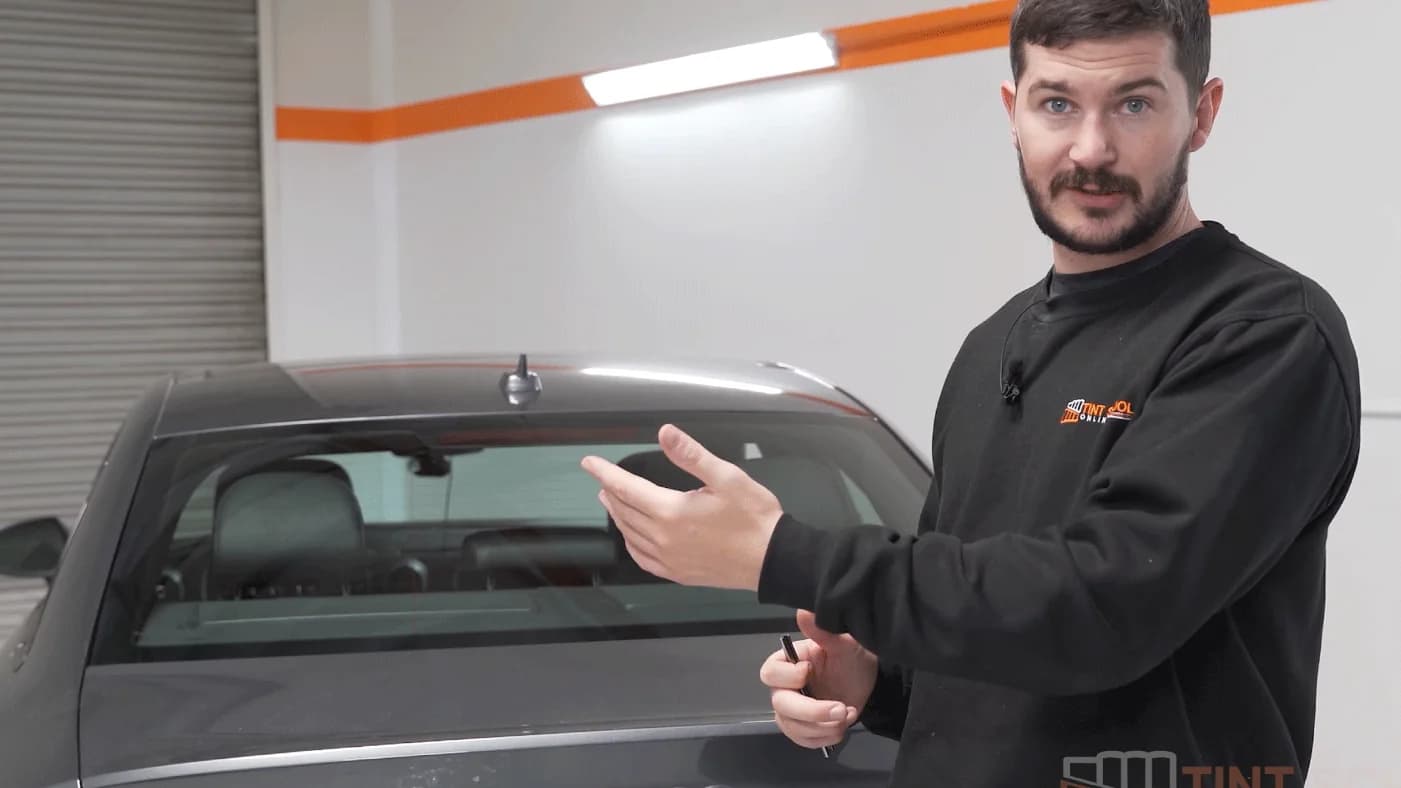
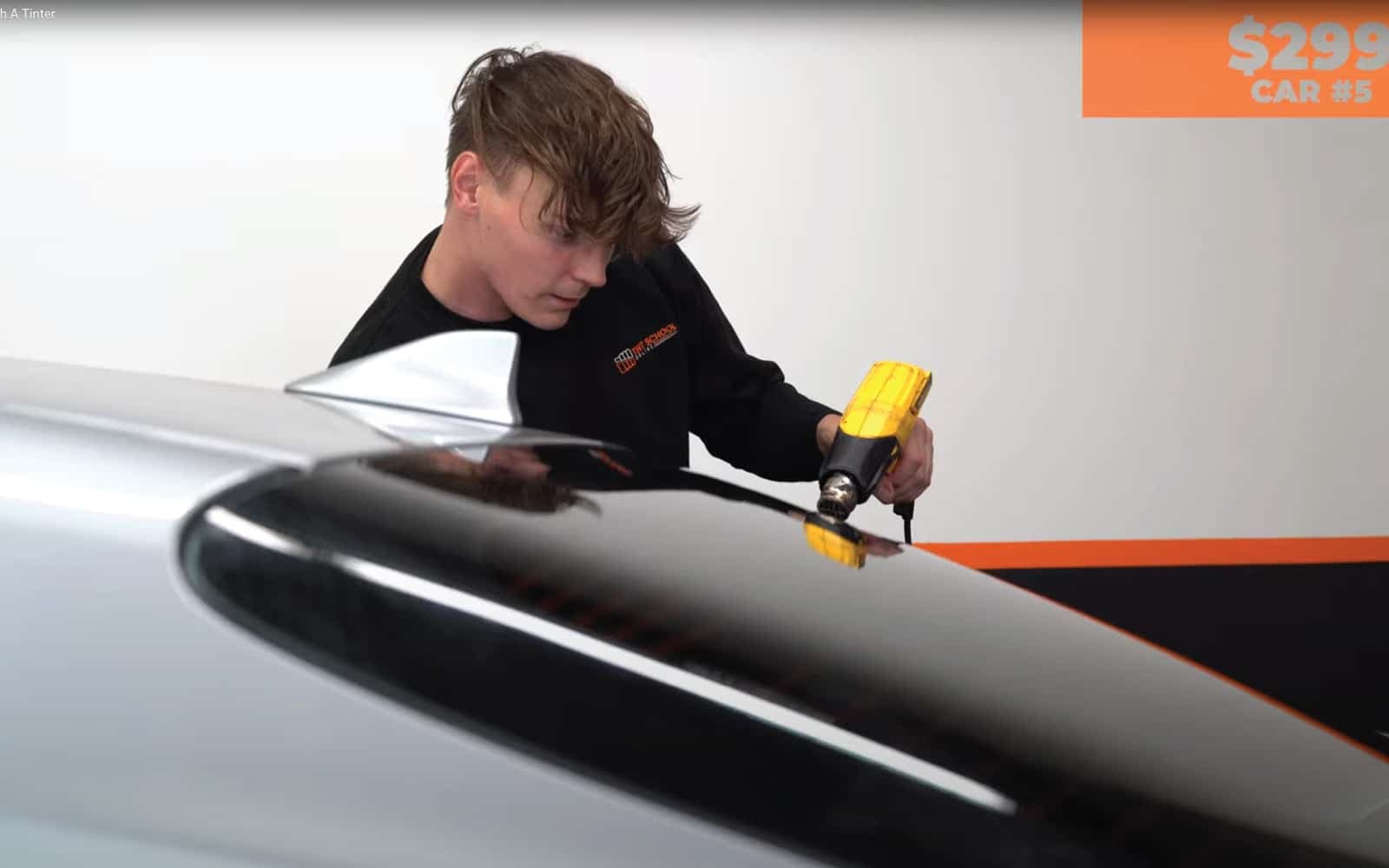
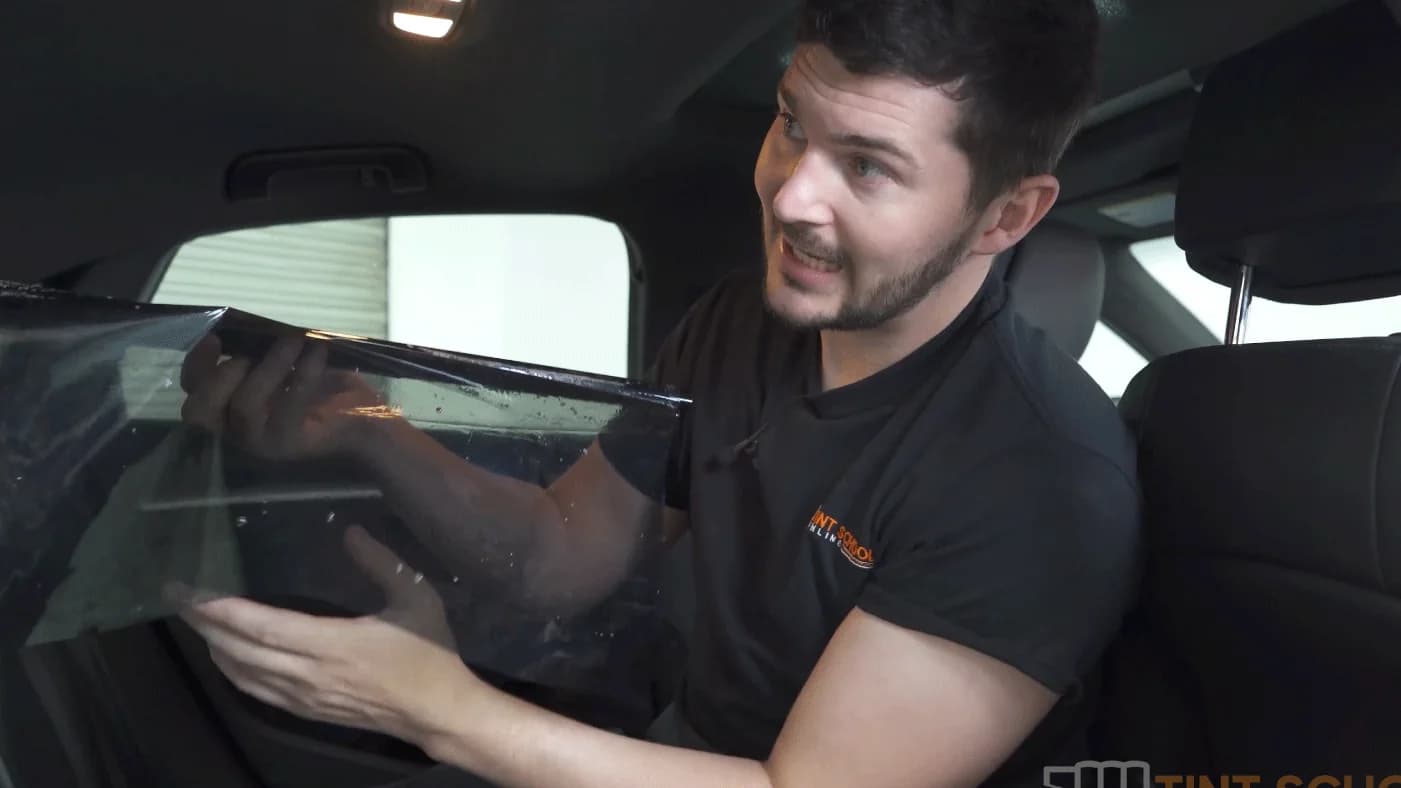
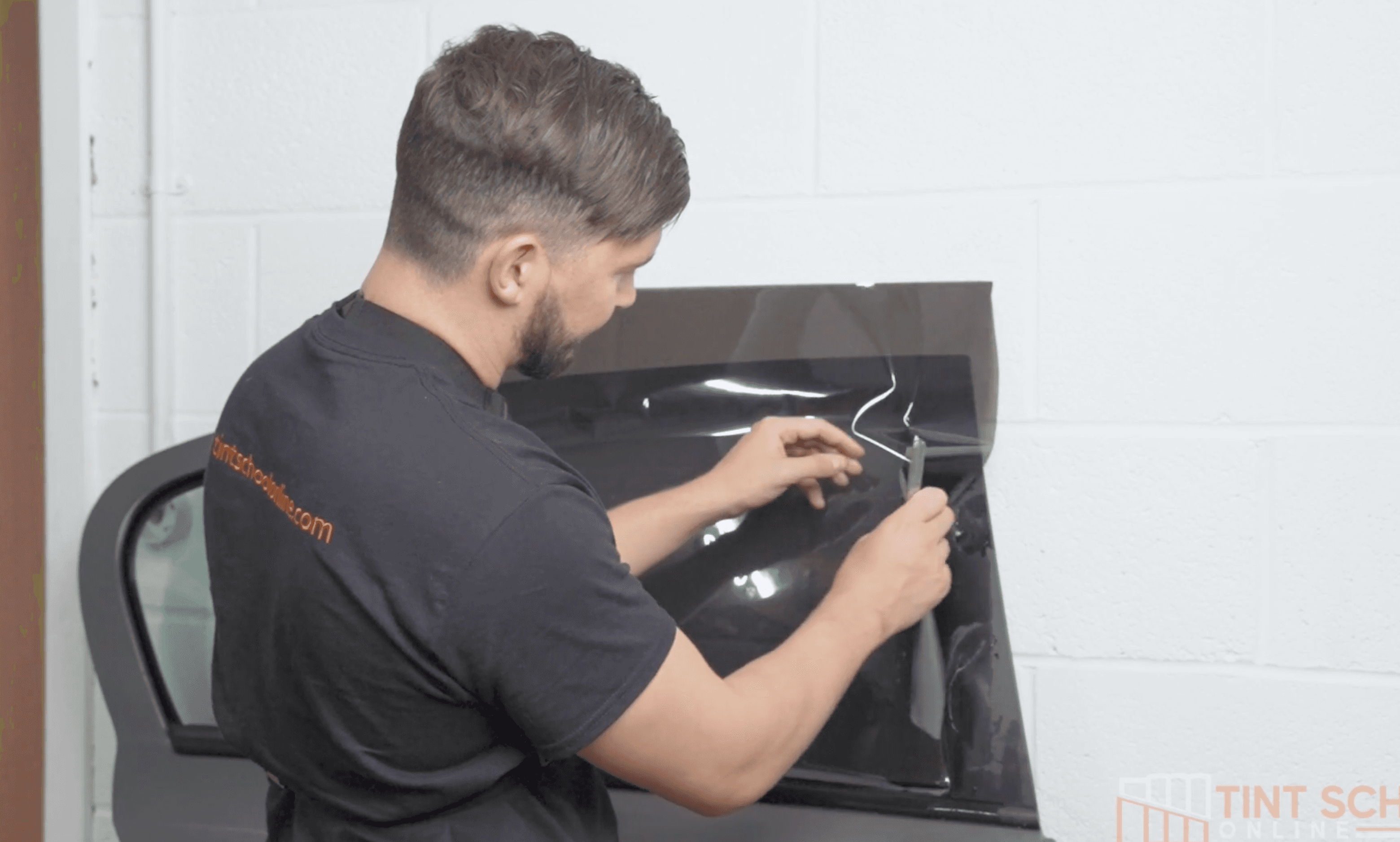
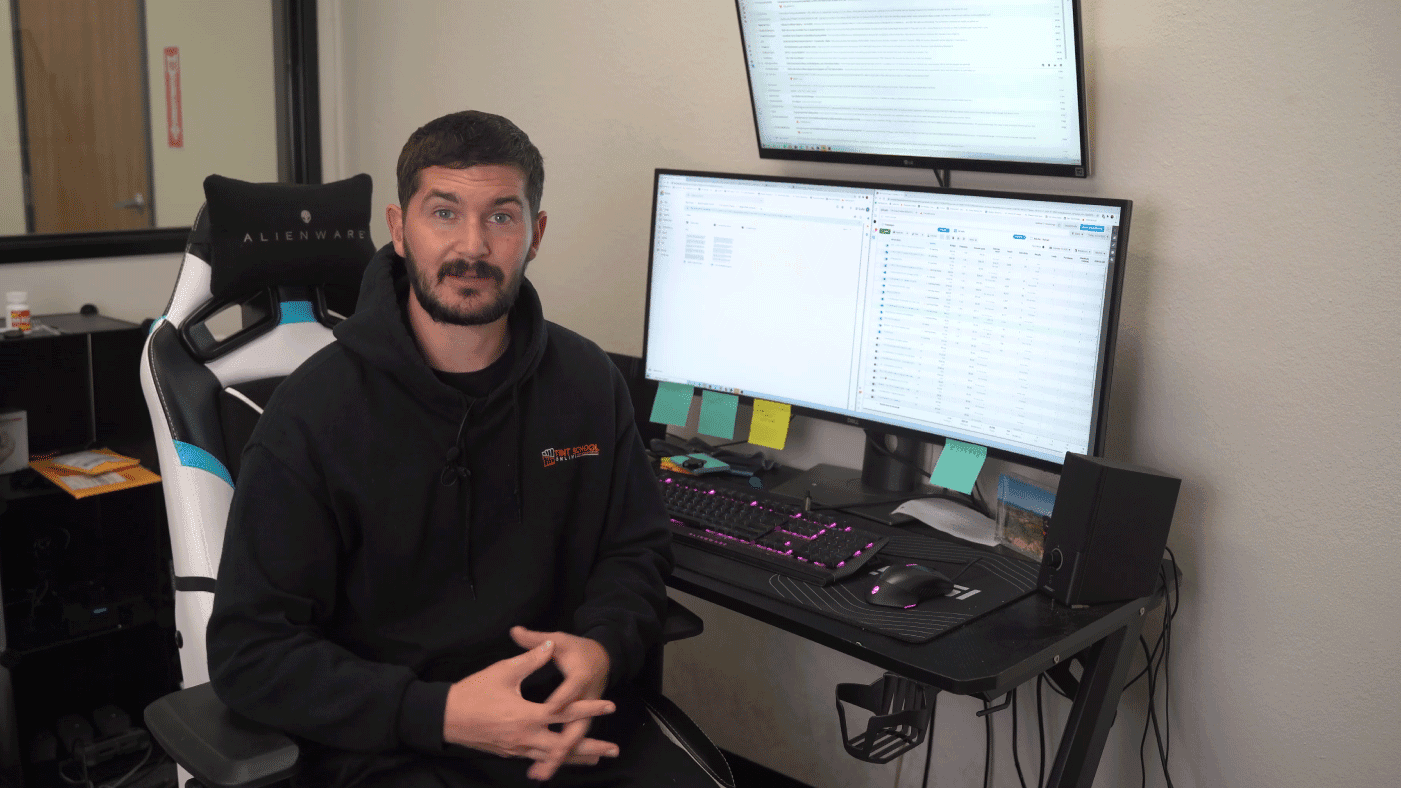
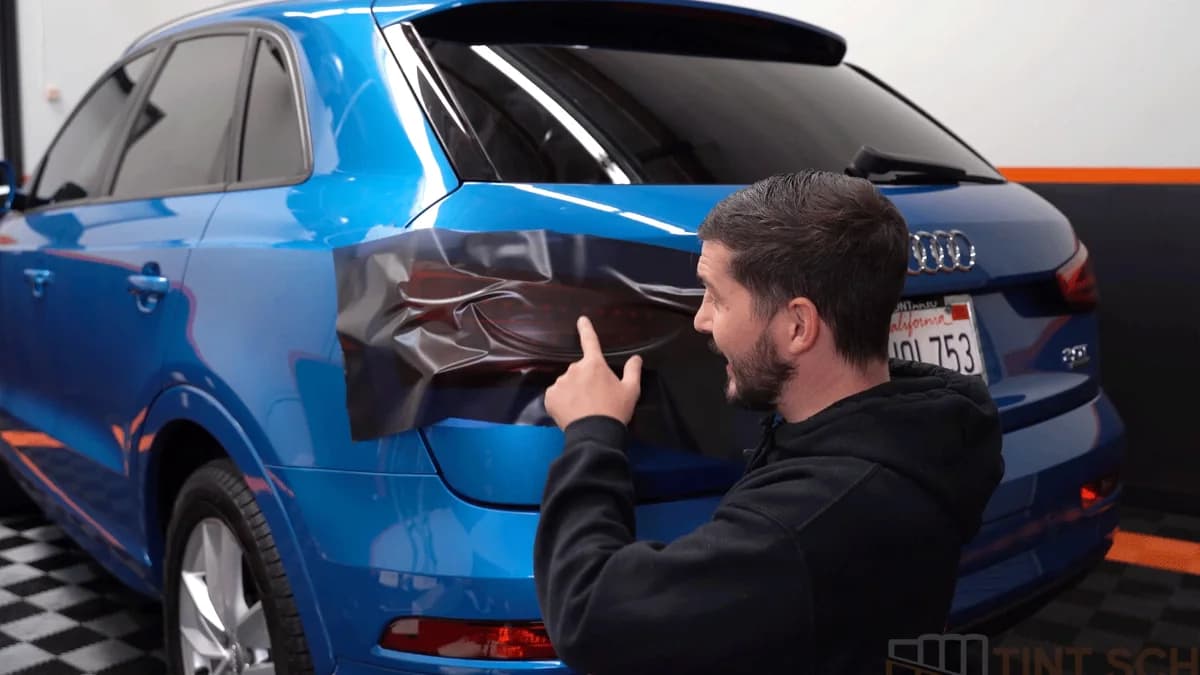
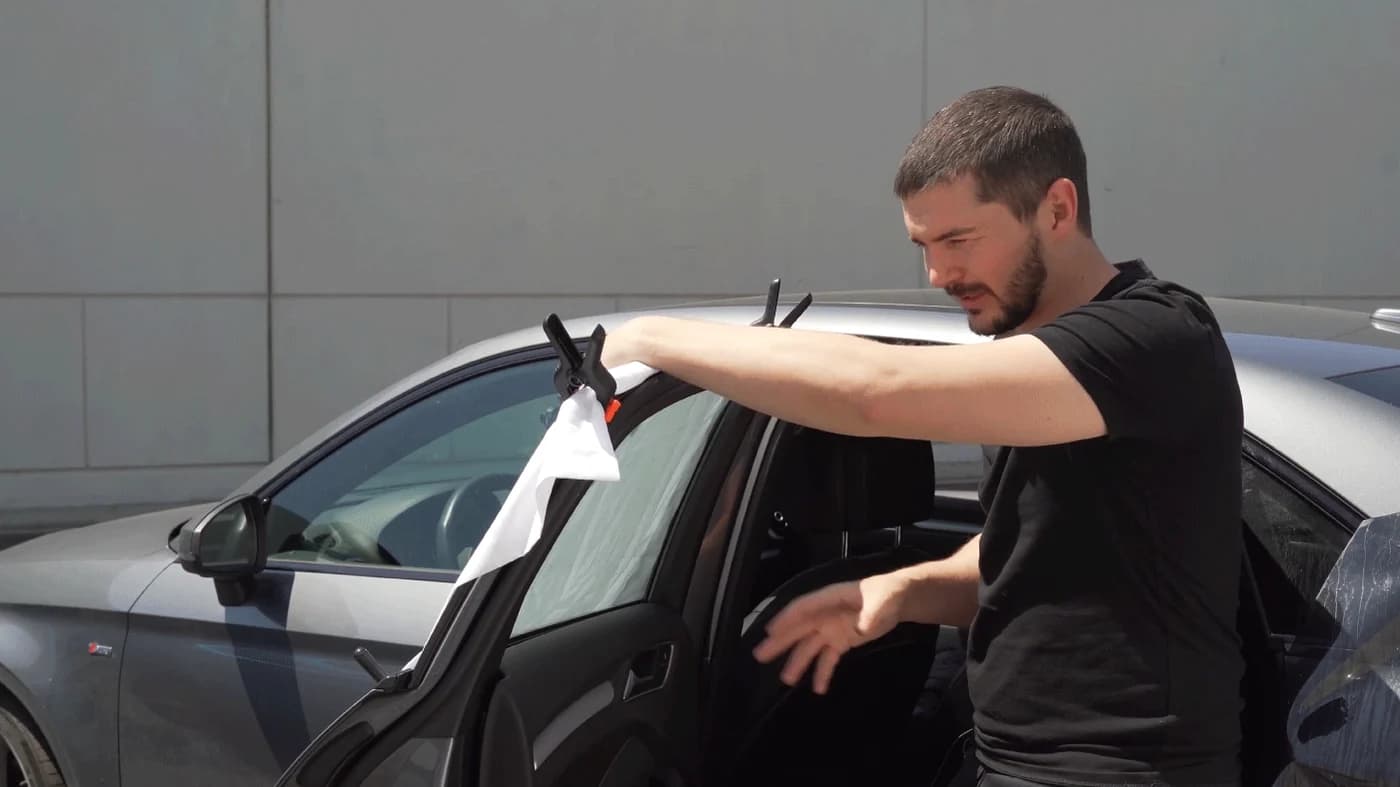
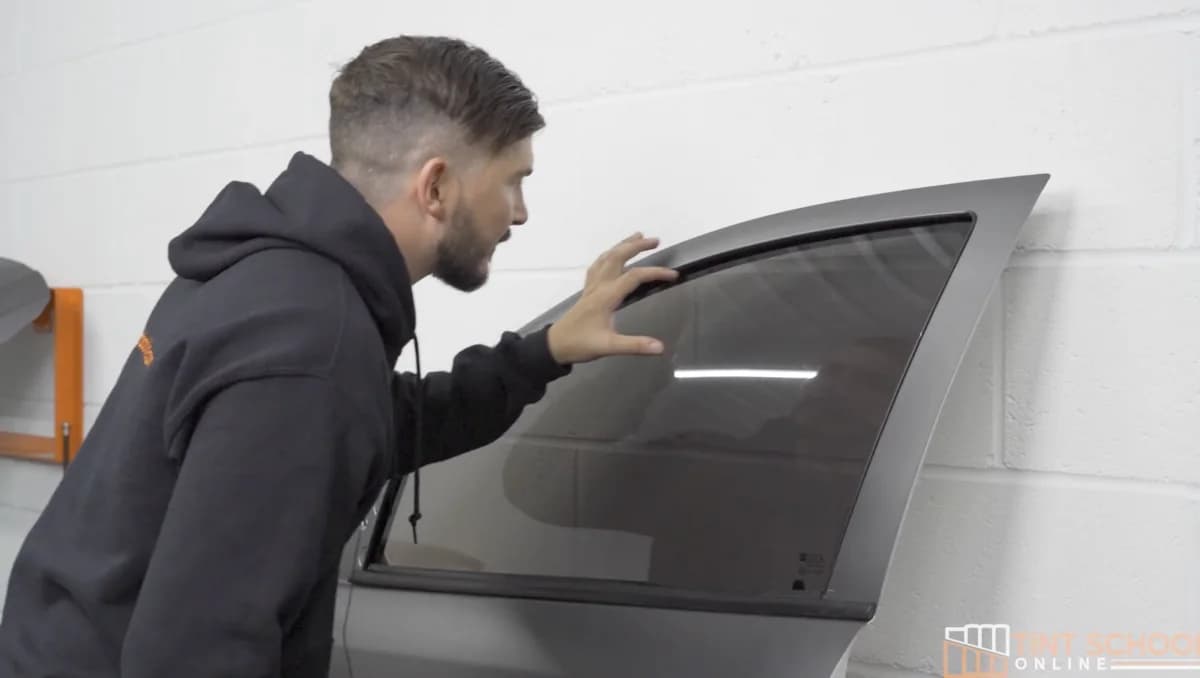
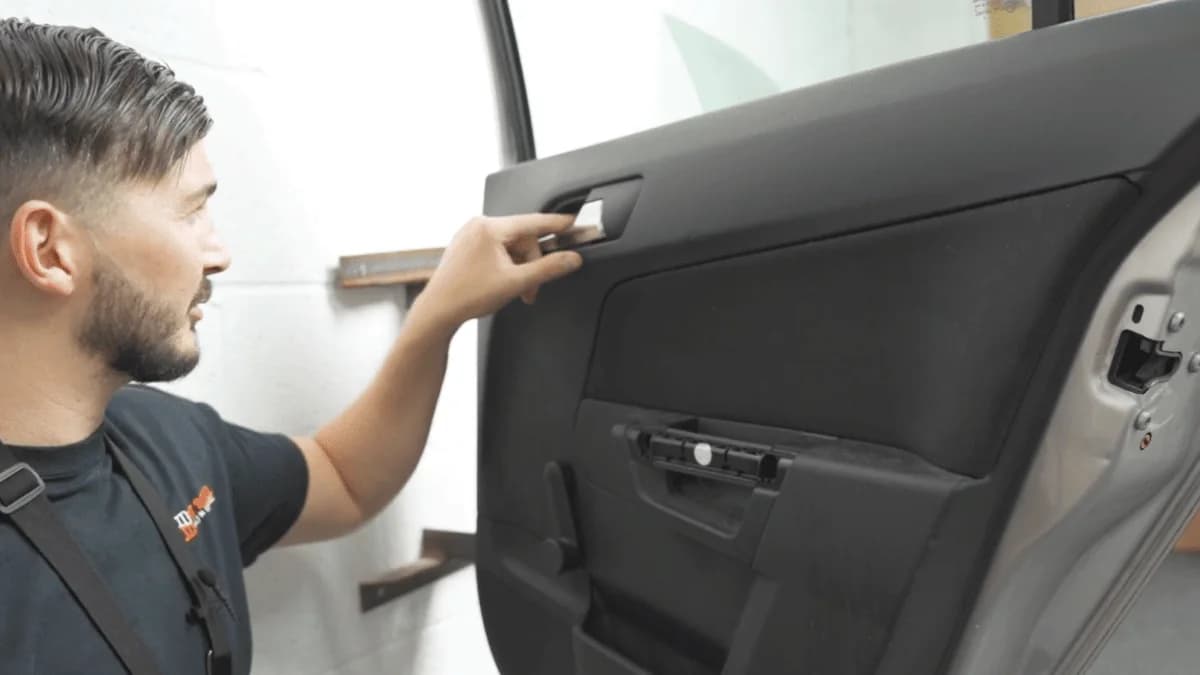
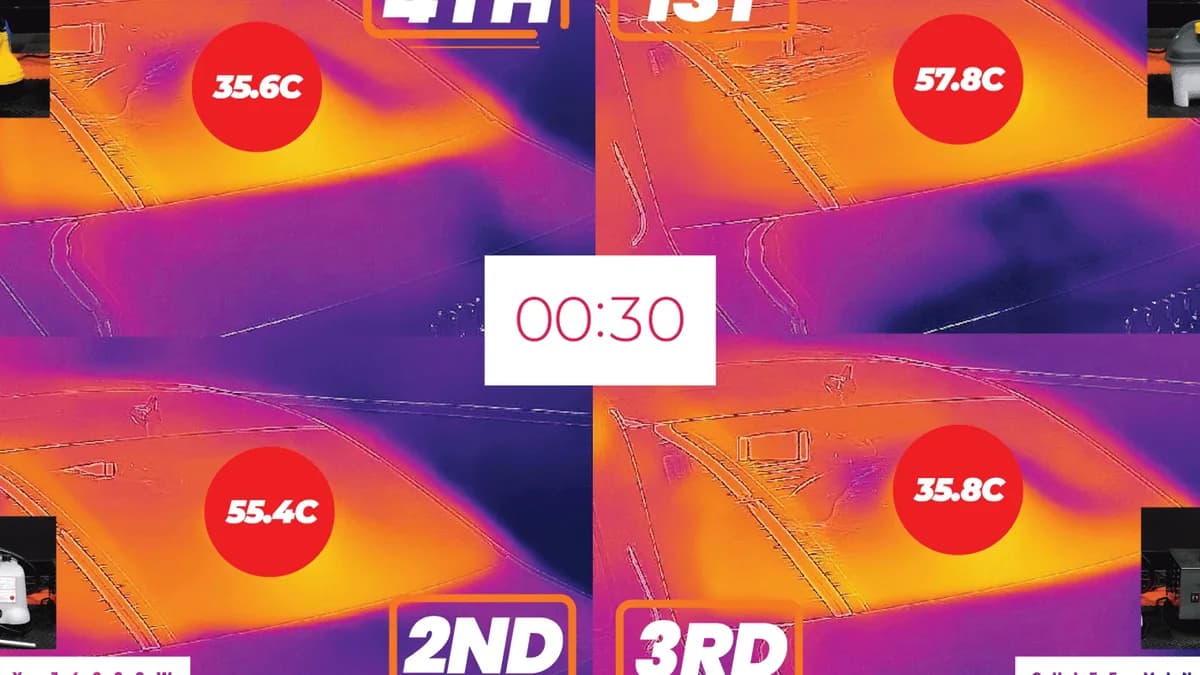
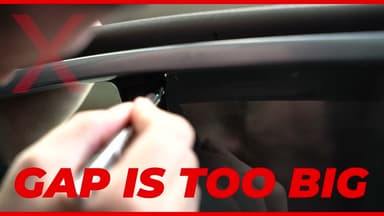
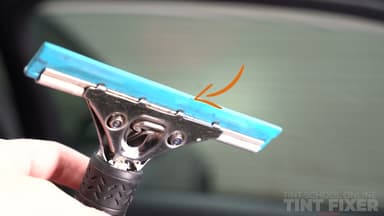
100 short videos for common problems on the door, rear and small side windows.




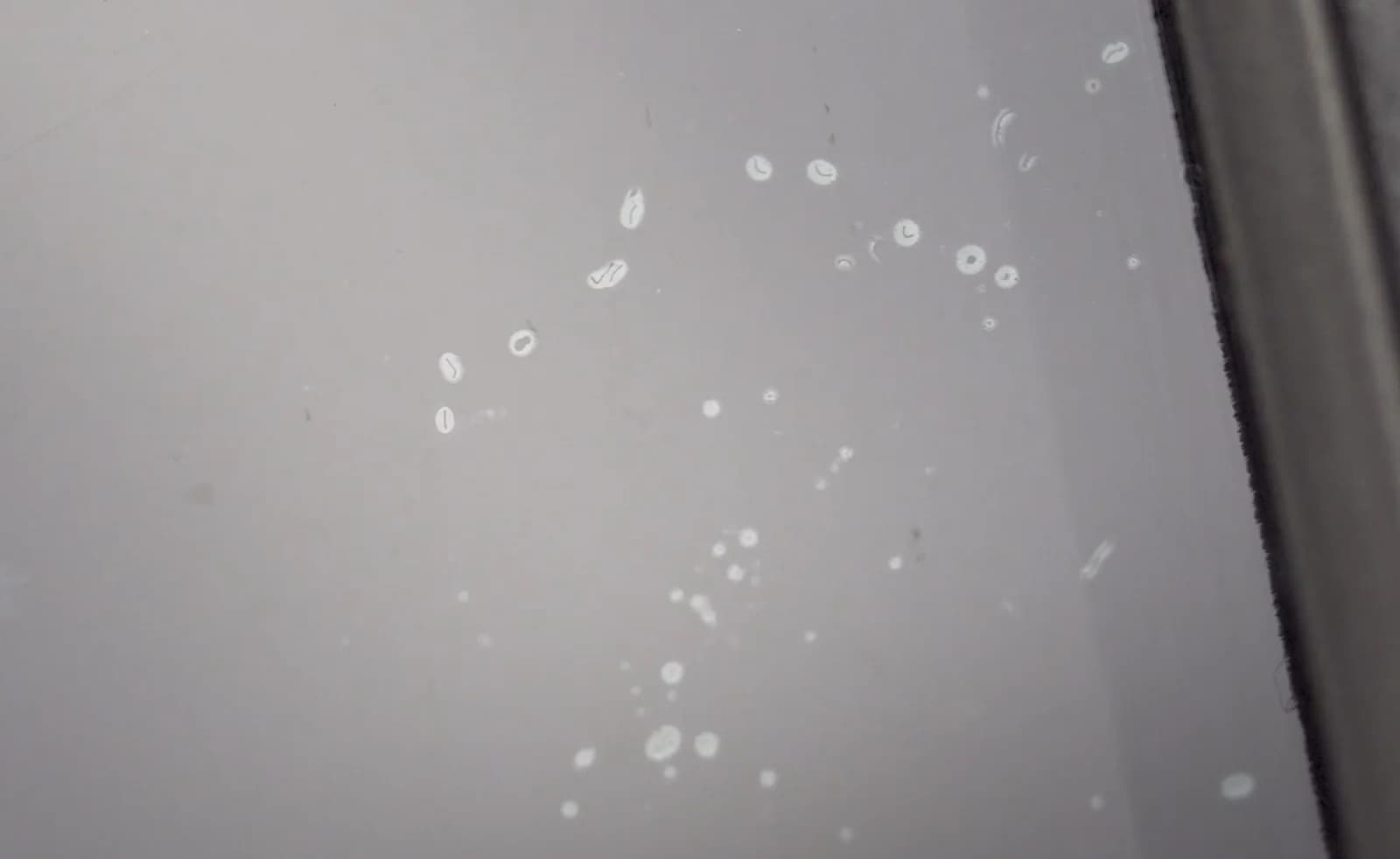
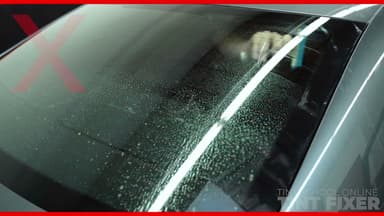
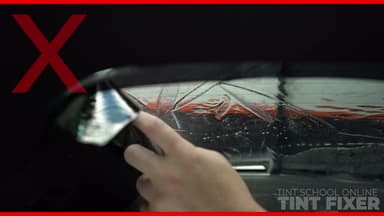
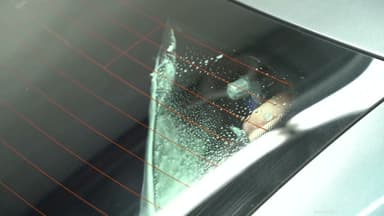
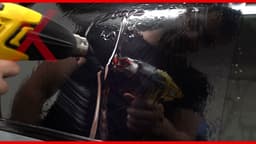
Get help with scratched film, streaks, creases and working around side mirrors.
Ask a question, get an explanation, and jump to the part of the video that shows you.
 Ready to help
 Best matchFingers Keep Growing When ShrinkingWhich way to heat the film to flatten a crease 00:06 → 00:29
 Related fixFilm Not Shrinking — Sharp Long FingersLong, thin creases that won’t flatten 00:00 → 00:38
 Another fixHuge Oversized Fingers / Pressure FingersHow to flatten large creases from too much pressure 00:10 → 00:39
Learning to tint is half of it. Business Blueprint shows you how to set up, get found and turn a phone call into a booking.
 01
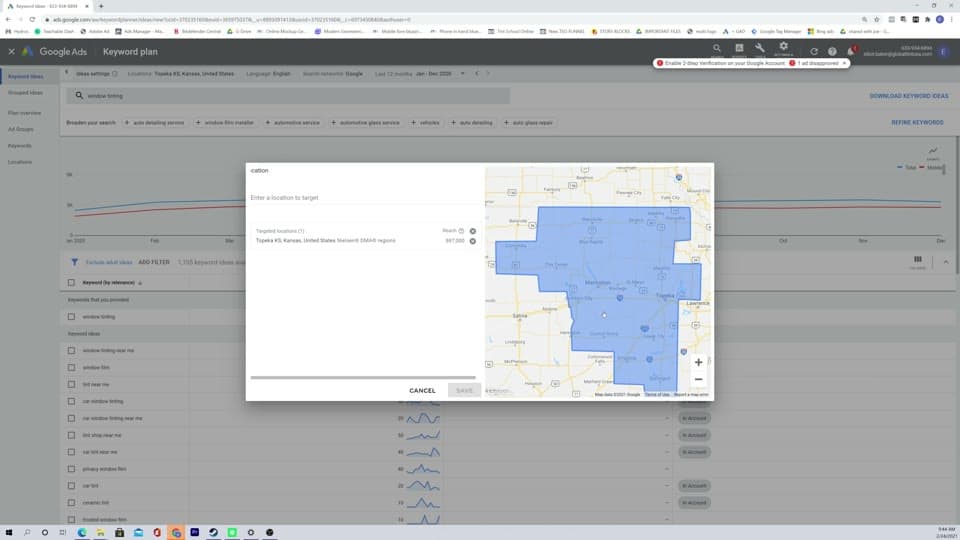
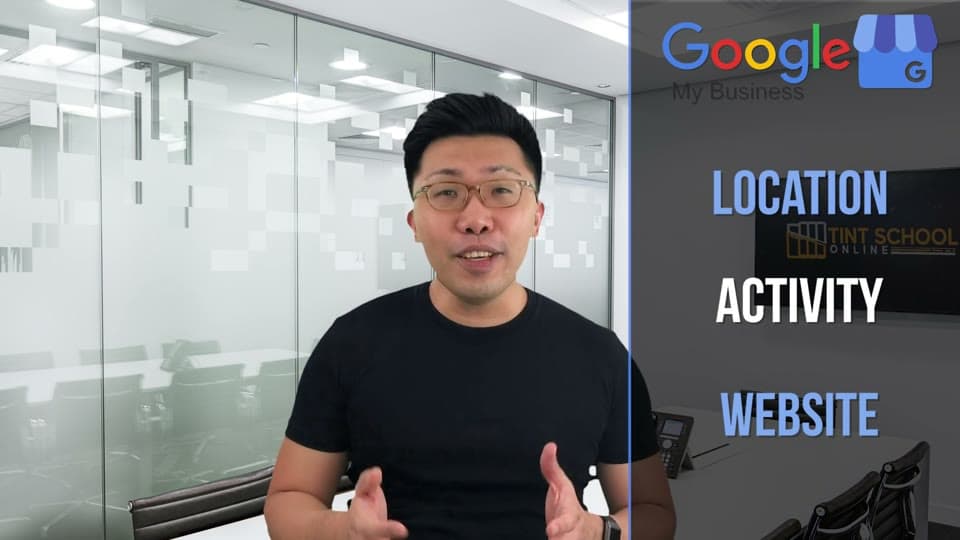
01Look at the services, pricing and competition around you.
 02
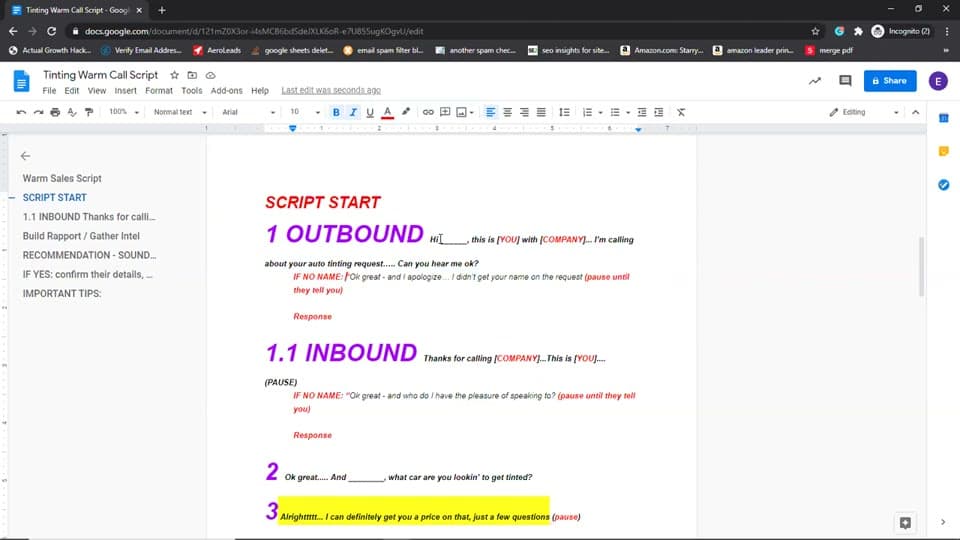
02The lessons show you how to list your business online, get local auto repair shops to send you customers and advertise.
 03
03Follow Elliot’s phone-sales tutorial. Practise asking about the vehicle, explaining the service and answering the customer’s questions.
04Use the price guide to prepare your quote, then agree the price, place and time with the customer. Once the job is done, ask for a review.
Elliot used the same business lessons you get to set up Antwann’s business, Virtue Auto Tinting in Kansas, in 6 days. Watch the setup, then follow the first week day by day, with what was spent and what was booked.
 8:1601 · Setting it upGoogle business listing
 2:3802 · Setting it upBing listing
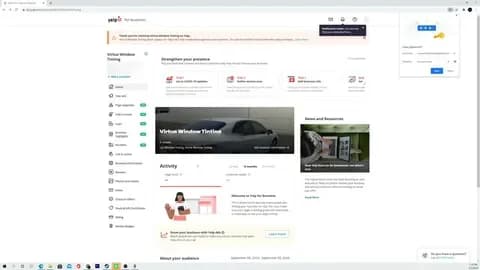 3:3403 · Setting it upYelp listing
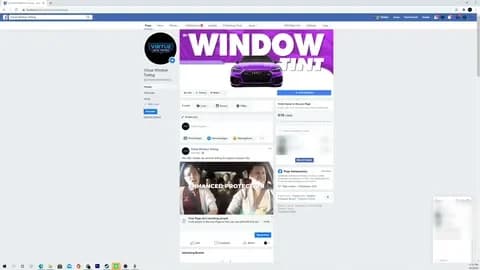 4:4604 · Setting it upFacebook page
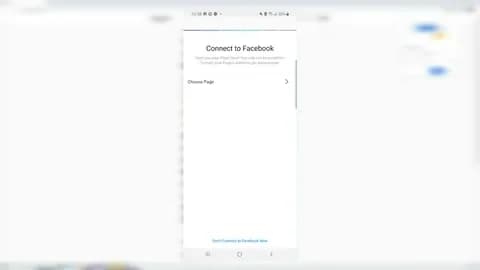 3:3405 · Setting it upInstagram page
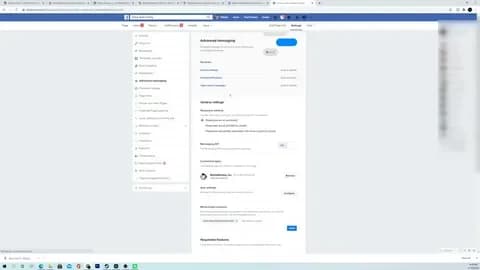 5:2206 · Setting it upMessenger auto-replies
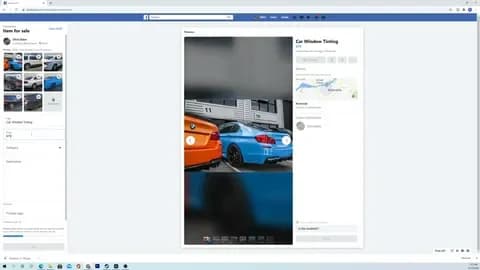 5:4107 · Setting it upFree ad: Facebook Marketplace
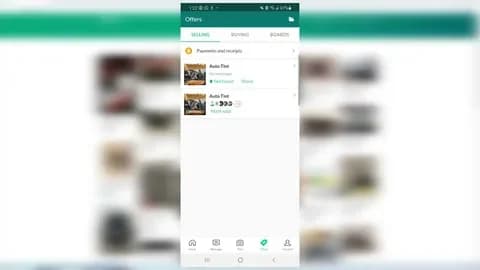 4:0108 · Setting it upFree ad: OfferUp
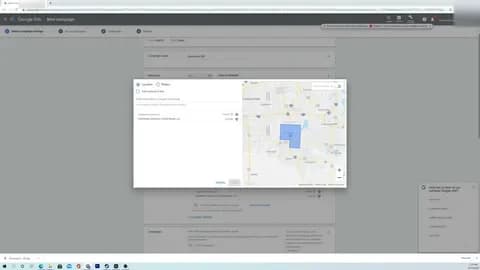 11:5809 · Setting it upGoogle ads
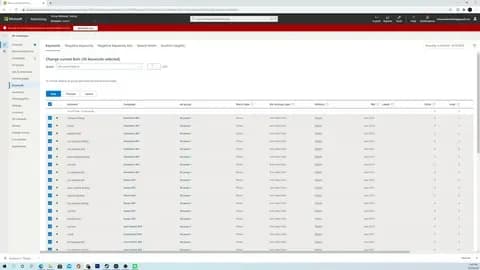 2:2310 · Setting it upBing ads
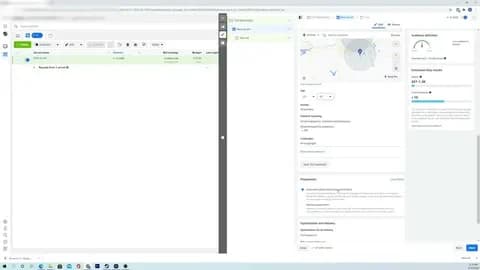 9:0411 · Setting it upFacebook Messenger ads
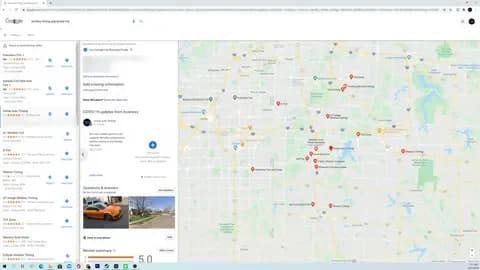 18:0112 · The first weekDay 1
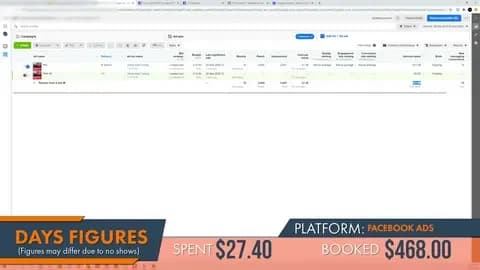 8:2813 · The first weekDay 2
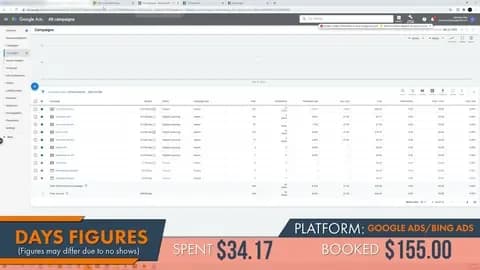 8:3314 · The first weekDay 3
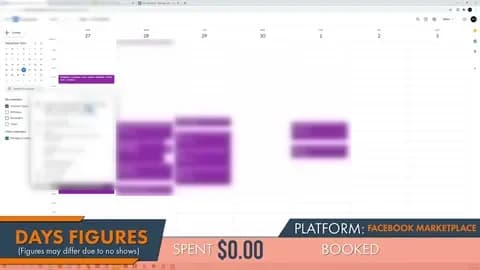 4:1815 · The first weekDay 4
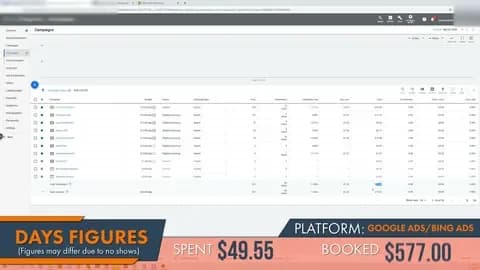 2:5516 · The first weekDay 5
 8:4217 · The planThe 6 Figure Tint Plan
Antwann’s own result. Everyone’s results are different.
Start with the beginner course, then use the rest as you need it.
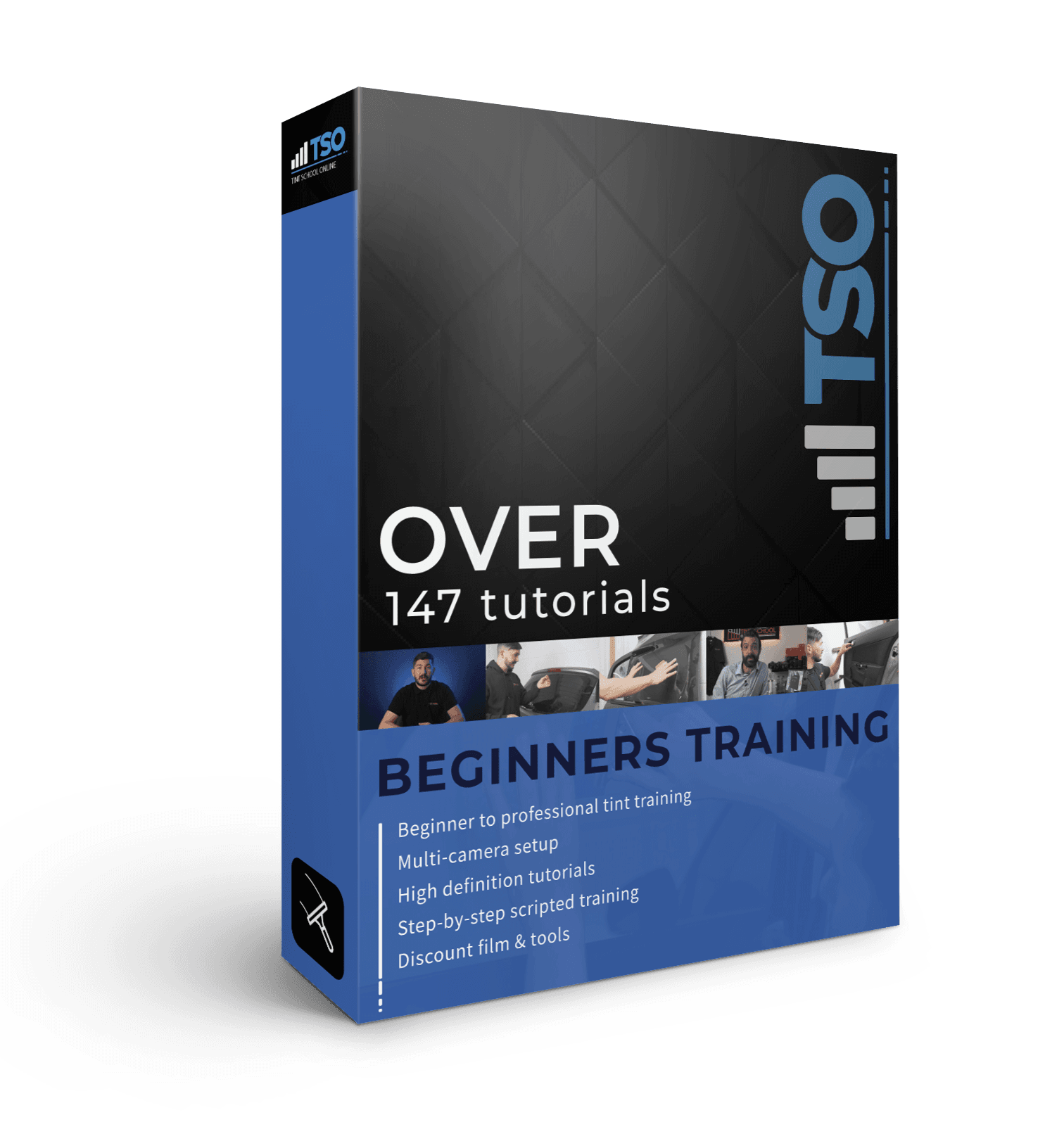
Start with the tools, getting the glass ready and fitting the film, then practise each step.
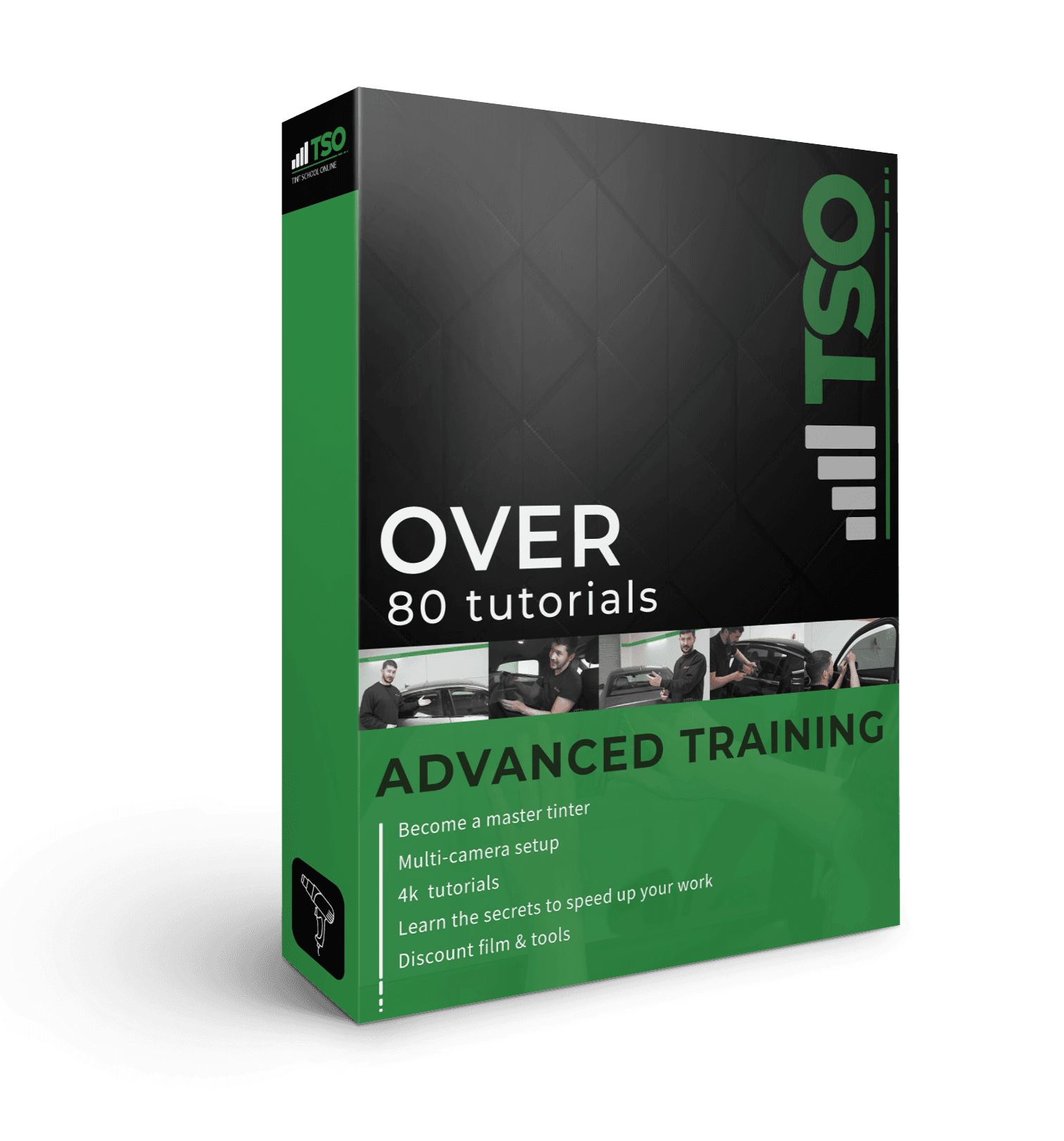
Take on harder windows and learn the different tools and film types as your skills grow.
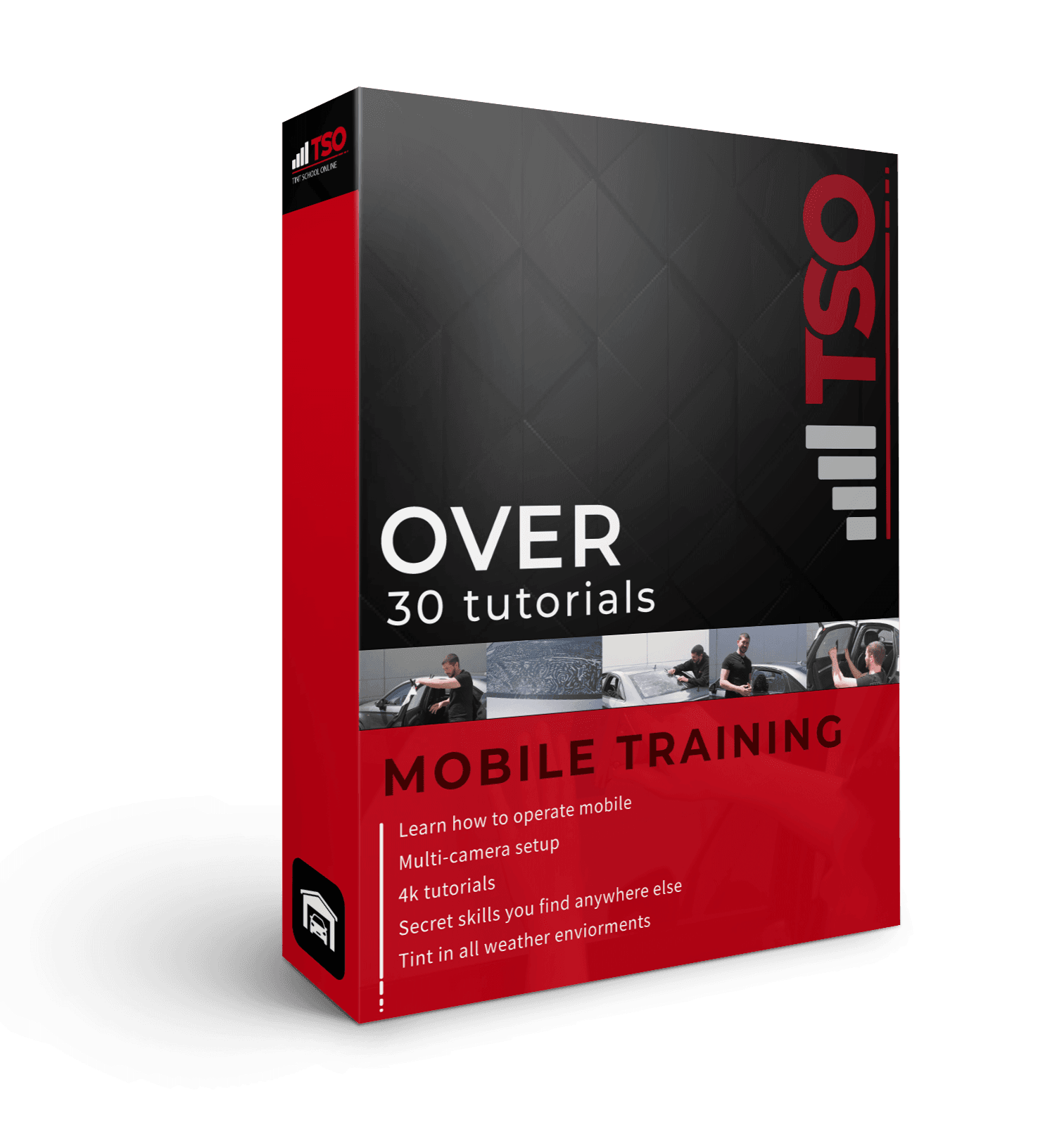
How to tint at your customer’s home or work, from setting up to the finished car.
Learn to tint headlights and taillights, and to restore faded lights, as extra services.
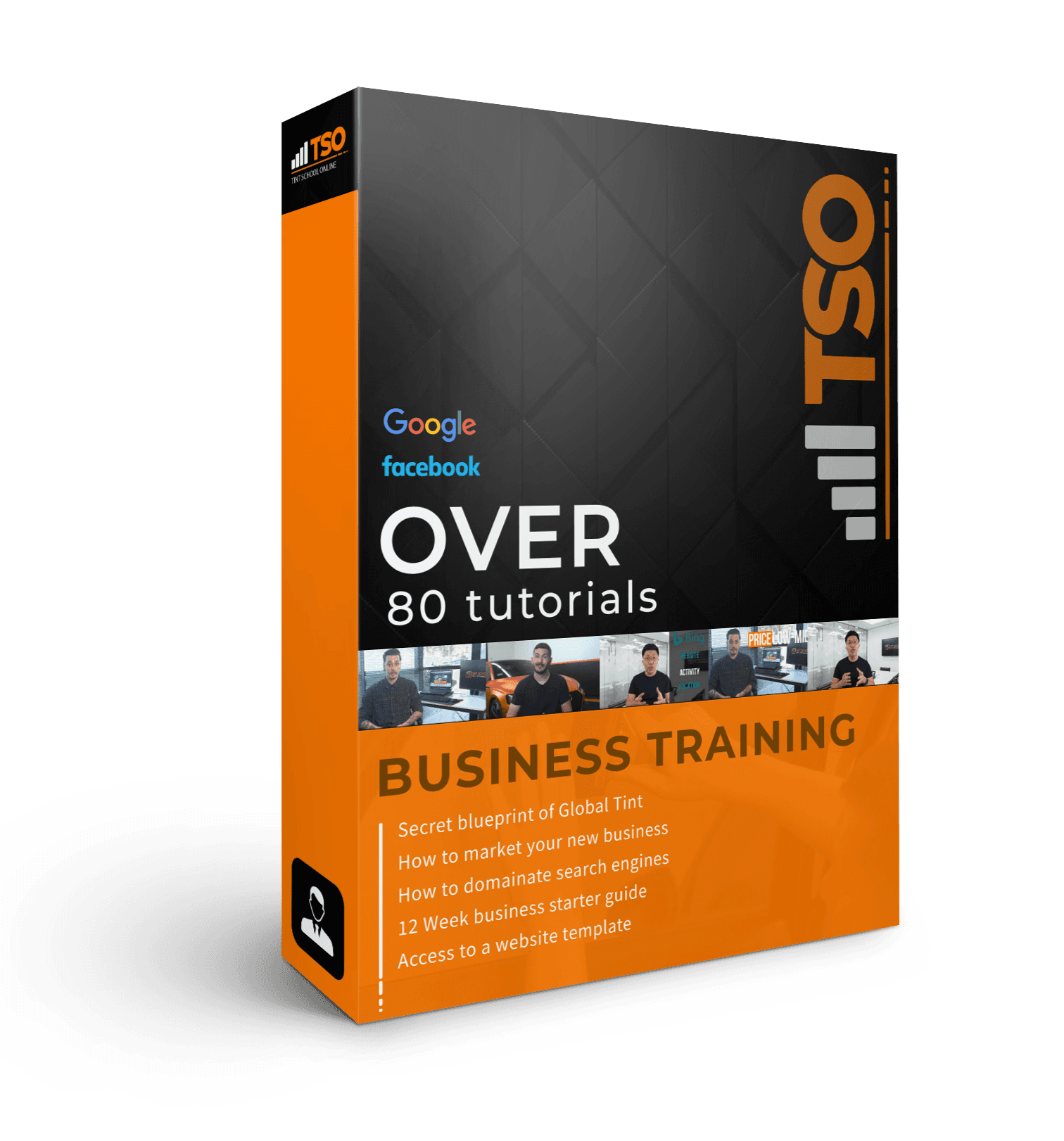
Learn to run your business, with 44 templates for pricing, invoicing, marketing and talking to customers.
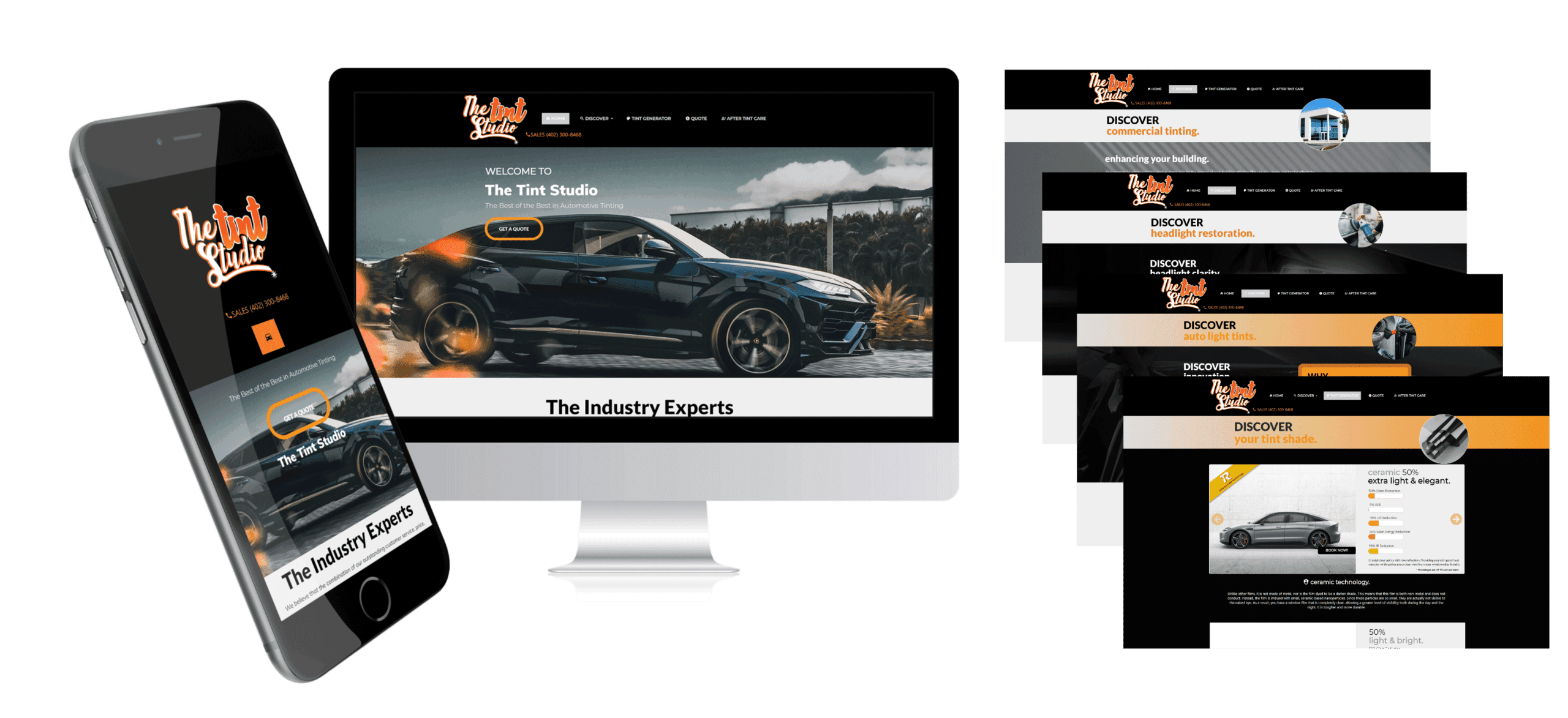
A ready-made website with pictures and videos for your tint business.

Marketing images and videos you can use to promote your tinting business.
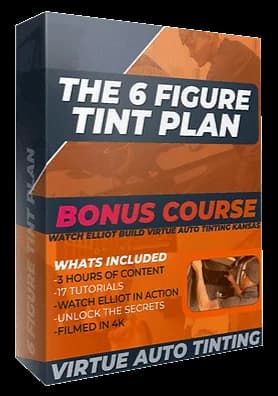
Watch Elliot launch a student’s tint business: 17 videos, about 2 hours.

Our private student group: ask questions and share your work.

A 5% student film discount from the course’s partner supplier.
Tap a student to read their own posts. Everyone’s results are different.
Showing 25 of our students.
One ceramic job at our prices pays $730, more than the course costs. A 5-day in-person course can cost $2,500.
Ask for a course refund within 30 days of buying. See the guarantee terms.
One payment · lifetime access
Tools, film and business costs aren’t included. Optional Tint Pack at checkout: tools and a startup manual (no film), $99 plus shipping and tax.
Tap a question to see the answer.
Yes. The lessons show you the tools and every step close up. Then you practise on your own car with your own tools and film, and replay any part until you get it right.
All five core courses, 300+ lessons and resources, lifetime access and the private student group. You learn how to tint cars, set prices, market your service and run your business. Tools and film aren’t included; the optional Tint Pack has window tinting tools and a startup manual.
No. The course is all online, so you can learn from anywhere in Arizona. Watch the lessons when it suits you and practise on your own car.
Yes. Watch the lessons after work, practise when you have time and go at your own pace. There’s no deadline for finishing.
Yes. The mobile course shows you how to tint at a customer’s home or workplace, from the space and light you need to keeping the glass clean.
The Arizona limits for each window are on this page. Before you take paid jobs, check the current tint laws and any business license you need.
Start with lesson one today.
Everyone’s results are different.